Gaote Holding Group focuses on the research and development and production of various valves


-
Products

-
-
-
Understanding Double Flange Butterfly Valves: A Comprehensive Guide
Double flange butterfly valves are essential components in various industrial applications, particularly in fluid control systems. Characterized by their unique disc design and operational efficiency, these valves are widely used for regulating the flow of liquids and gases in pipelines. Understanding the design and functionality of double flange butterfly valves can help industries select the rig
2025-11-11
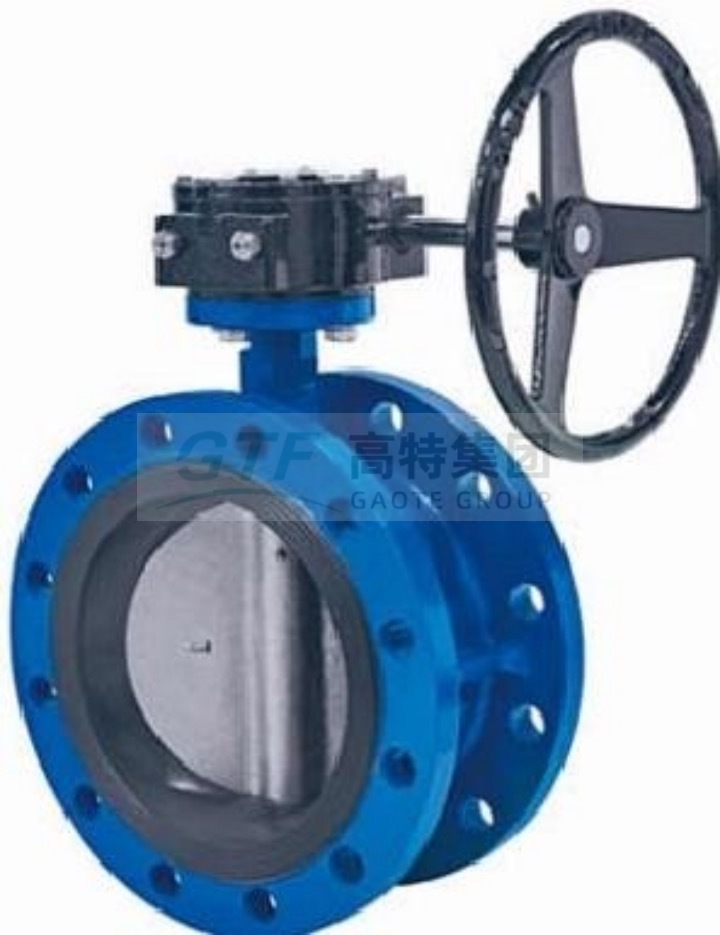
Double flange butterfly valves are essential components in various industrial applications, particularly in fluid control systems. Characterized by their unique disc design and operational efficiency, these valves are widely used for regulating the flow of liquids and gases in pipelines. Understanding the design and functionality of double flange butterfly valves can help industries select the right equipment for their specific needs.
At the core of a double flange butterfly valve is its disc, which rotates around a central axis to control flow. When the valve is fully open, the disc is parallel to the flow, allowing maximum fluid passage. Conversely, when closed, the disc blocks the flow entirely. This design is not only effective in regulating flow but also offers minimal pressure drop, making it an energy-efficient choice for many systems.
One of the distinguishing features of double flange butterfly valves is their flanged connections on both sides. These flanges allow for easy installation and maintenance, ensuring a secure fit within piping systems. The double flange design also provides greater stability and strength under high-pressure conditions, making it suitable for applications in industries such as water treatment, chemical processing, and power generation.
Another significant advantage of double flange butterfly valves is their lightweight construction compared to traditional gate or globe valves. This can lead to reduced installation costs and easier handling during maintenance. Furthermore, their compact design allows for space-efficient installations, particularly in areas with limited access.
When selecting a double flange butterfly valve, it’s crucial to consider factors such as the materials used in construction, as they must be compatible with the fluid being transported. Common materials include stainless steel, carbon steel, and various polymer coatings, each offering distinct advantages in terms of corrosion resistance and durability. Additionally, the valve’s size and pressure rating should align with the specific requirements of the system to ensure optimal performance.
In conclusion, double flange butterfly valves are a vital component in fluid control systems across various industries. Their efficient flow regulation, ease of installation, and lightweight design make them an excellent choice for many applications. By understanding the fundamental aspects of these valves, industry professionals can make informed decisions that enhance the efficiency and reliability of their operations. Whether you are involved in the design, installation, or maintenance of industrial systems, knowledge about double flange butterfly valves is essential for optimizing performance and ensuring long-lasting functionality.


Contact Us
Email:
Tel/WeChat:
Address:
Chenggong Development Zone, Ximei Street, Nan'an City, Quanzhou City, Fujian Province
Gaote Holding Group Co., Ltd.
Tel: +8613400888017
Email: gaotegroup@126.com
Address: Chenggong Development Zone, Ximei Street, Nan'an City, Quanzhou City, Fujian Province


Leave a message
* Note: Please be sure to fill in the information accurately and keep the communication open.