Gaote Holding Group focuses on the research and development and production of various valves


-
Products

-
-
-
Understanding the Functionality of Buried Gate Valves in Industrial Applications
Understanding the Functionality of Buried Gate Valves in Industrial Applications
Table of Contents
1. Introduction to Buried Gate Valves
2. Design and Construction of Buried Gate Valves
3. Functionality and Working Mechanism
4. Installation Process of Buried Gate Valves
5. Maintenance and Inspection Considerations
6. Applications of Buried Gate Valves in Industrial Setting
2025-11-20
Understanding the Functionality of Buried Gate Valves in Industrial Applications
Table of Contents
- 1. Introduction to Buried Gate Valves
- 2. Design and Construction of Buried Gate Valves
- 3. Functionality and Working Mechanism
- 4. Installation Process of Buried Gate Valves
- 5. Maintenance and Inspection Considerations
- 6. Applications of Buried Gate Valves in Industrial Settings
- 7. Advantages of Using Buried Gate Valves
- 8. Challenges and Solutions in the Use of Buried Gate Valves
- 9. Conclusion
- FAQs
1. Introduction to Buried Gate Valves
In the world of industrial applications, **buried gate valves** serve as crucial components for controlling the flow of fluids within pipelines. These valves are specifically designed for underground installation, providing reliable service in various environments. Understanding their functionality is essential for engineers and technicians involved in system design, operation, and maintenance.
2. Design and Construction of Buried Gate Valves
Buried gate valves are crafted to endure harsh conditions while maintaining operational integrity. Their design typically incorporates materials such as ductile iron or stainless steel, which offer excellent resistance to corrosion and wear.
2.1 Key Components
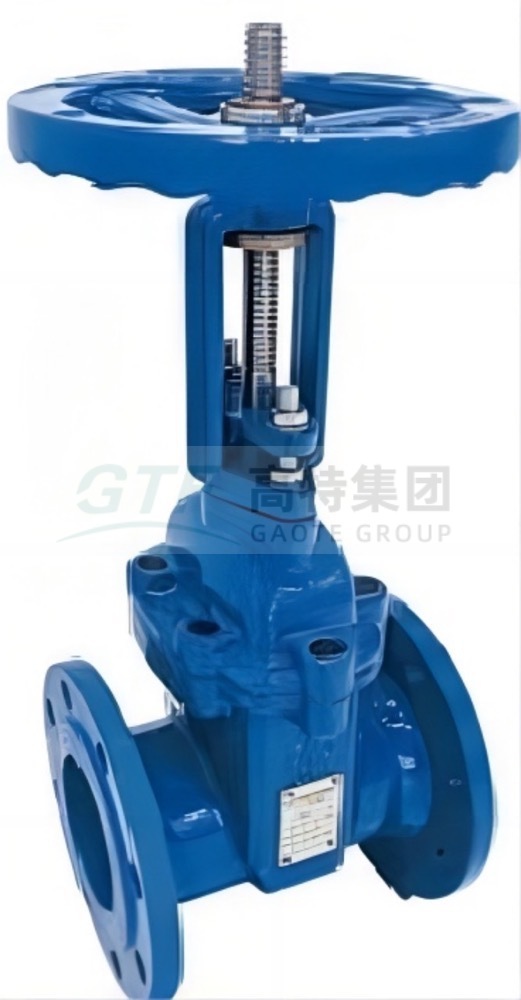
A typical buried gate valve consists of several key components:
- **Body**: The main structure that houses the internal mechanism.
- **Gate**: A solid object that can move up and down to control fluid flow.
- **Bonnet**: The covering that protects the valve's internal parts.
- **Actuator**: A mechanism that opens and closes the gate, often operated via a handwheel or motor.
2.2 Types of Buried Gate Valves
Different types of buried gate valves are available, including:
- **Wedge Gate Valves**: Featuring a wedge-shaped gate for effective sealing.
- **Parallel Slide Gate Valves**: Utilizing a flat gate that slides parallel to the flow direction.
Each valve type serves specific applications, making it crucial to choose the right one for your needs.
3. Functionality and Working Mechanism
The primary function of a buried gate valve is to control fluid flow by either fully opening or fully closing the pipeline. When the valve is open, the gate is lifted entirely out of the flow path, allowing unrestricted fluid movement. Conversely, when closed, the gate seals against the valve body, preventing any flow.
3.1 Operating Principles
The operation of buried gate valves can be summarized in two main actions:
- **Opening**: Turning the actuator causes the gate to rise, gradually allowing fluid to pass through.
- **Closing**: Rotating the actuator in the opposite direction lowers the gate, sealing the flow path effectively.
This simple yet efficient mechanism is what makes gate valves favored in many industrial applications.
4. Installation Process of Buried Gate Valves
Proper installation is critical for the optimal performance of buried gate valves. The installation process may include the following steps:
4.1 Site Preparation
Before installation, ensure that the site is properly prepared. This involves:
- Excavating the area where the valve will be placed.
- Ensuring the foundation is stable and free from debris.
4.2 Positioning the Valve
Carefully position the valve in the trench and ensure it is aligned with the pipeline. It is essential to maintain the manufacturer's recommended installation orientation.
4.3 Backfilling
Once the valve is secured, backfill the trench while avoiding any damage to the valve. Compaction is necessary to prevent settling over time.
5. Maintenance and Inspection Considerations
Regular maintenance and inspection of buried gate valves are vital for ensuring longevity and reliability.
5.1 Scheduled Inspections
Implement a schedule for periodic inspections to check for:
- Signs of corrosion or wear
- Proper actuator function
- Leakage around the valve body
5.2 Maintenance Practices
Routine maintenance activities may include:
- Lubricating moving parts
- Replacing worn seals or gaskets
- Ensuring the actuator is functioning properly
By adhering to a diligent maintenance regime, you can extend the valve’s operational life and reduce unexpected failures.
6. Applications of Buried Gate Valves in Industrial Settings
Buried gate valves are employed across various industries, including:
6.1 Water and Wastewater Treatment
In municipal water systems, buried gate valves regulate flow in pipelines, ensuring efficient water distribution and treatment.
6.2 Oil and Gas Industry
These valves are crucial for controlling the flow of crude oil and natural gas in pipelines, where reliability and safety are paramount.
6.3 Chemical Processing
Buried gate valves assist in managing chemical flows, helping to maintain process integrity and safety.
7. Advantages of Using Buried Gate Valves
The use of buried gate valves offers numerous advantages:
- **Space-saving design**: Their underground placement minimizes surface space usage.
- **Reduced Exposure to Elements**: Being buried protects them from environmental factors, enhancing durability.
- **Reliable Performance**: They provide a tight seal, ensuring leak-proof operation.
These benefits make buried gate valves a preferred choice in various settings.
8. Challenges and Solutions in the Use of Buried Gate Valves
While buried gate valves are highly effective, they do present challenges, including:
8.1 Accessibility
One challenge is the difficulty of accessing buried valves for maintenance. Implementing above-ground indicators can alleviate this issue.
8.2 Corrosion Risks
Corrosion can pose significant risks. Utilizing corrosion-resistant materials during the valve's construction can mitigate these risks effectively.
9. Conclusion
In summary, buried gate valves are indispensable in numerous industrial applications, providing reliable and efficient fluid control. Understanding their design, functionality, and maintenance requirements is crucial for ensuring optimal performance. For industries reliant on fluid systems, investing in high-quality buried gate valves can lead to enhanced safety, efficiency, and operational longevity.
FAQs
What is a buried gate valve?
A buried gate valve is a type of valve designed for underground installation, primarily used to control the flow of fluids in pipelines.
How do buried gate valves work?
Buried gate valves work by raising or lowering a gate within the valve to either allow or block the flow of fluid.
What are the typical materials used for buried gate valves?
Common materials include ductile iron, stainless steel, and bronze, known for their durability and resistance to corrosion.
How often should buried gate valves be inspected?
Regular inspections should be conducted at least annually, or as recommended by the manufacturer, to ensure optimal function.
What industries utilize buried gate valves?
Buried gate valves are commonly used in water treatment, oil and gas, and chemical processing industries.
This comprehensive guide aims to enhance your understanding of buried gate valves and their critical role in industrial applications, ensuring you can make informed decisions regarding their use and maintenance.

Contact Us
Email:
Tel/WeChat:
Address:
Chenggong Development Zone, Ximei Street, Nan'an City, Quanzhou City, Fujian Province
Gaote Holding Group Co., Ltd.
Tel: +86-595-8896-8800
Email: gaotegroup@126.com
Address: Chenggong Development Zone, Ximei Street, Nan'an City, Quanzhou City, Fujian Province


Leave a message
* Note: Please be sure to fill in the information accurately and keep the communication open.