Gaote Holding Group focuses on the research and development and production of various valves


-
Products

-
-
-
Quality Buried Gate Valves: Key Considerations for Selection
2026-08-05
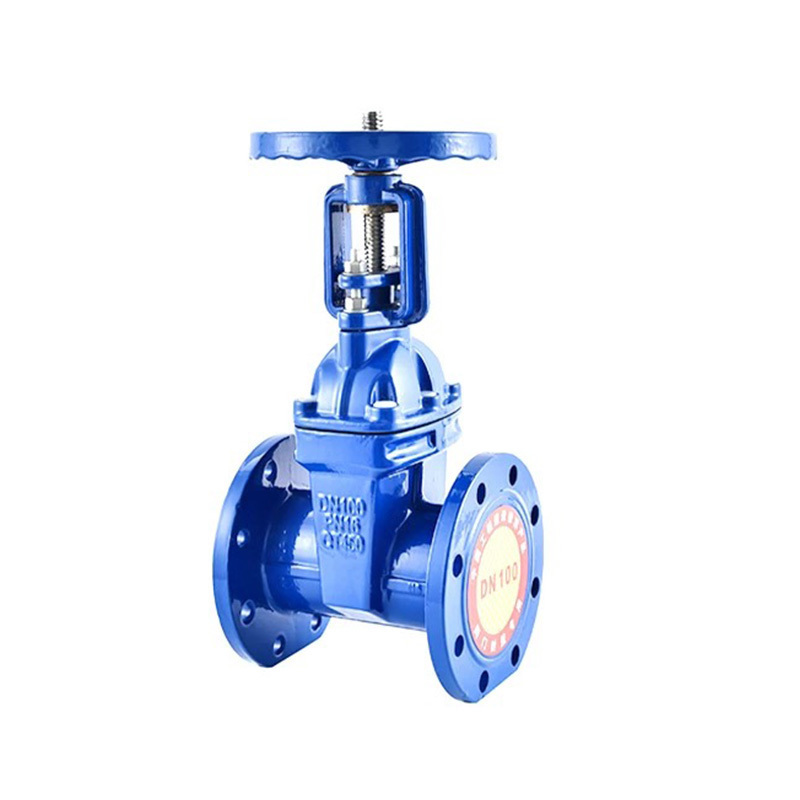
Quality Buried Gate Valves: Key Considerations for Selection
When it comes to industrial applications, the importance of selecting the right components cannot be overstated. Among these components, buried gate valves stand out, serving as critical devices in controlling the flow of liquids and gases in various systems. In this comprehensive guide, we will delve into the key considerations for selecting quality buried gate valves, ensuring you make informed choices that enhance operational efficiency and longevity.
Understanding Buried Gate Valves
Buried gate valves are essential in pipelines that require flow regulation. These valves are typically installed underground and play a vital role in water treatment, sewage systems, and industrial applications. Their design allows for minimal pressure drop, making them suitable for large-diameter pipelines. Understanding their function is crucial to selecting the right type for your needs.
What Makes Buried Gate Valves Unique?
One of the defining features of buried gate valves is their construction. Unlike standard gate valves, buried gate valves are designed to withstand harsh environmental conditions, including soil pressure and moisture. This resilience ensures longevity and reliability in demanding applications.
Key Considerations for Selecting Buried Gate Valves
When selecting buried gate valves, several key factors must be taken into account. Below, we outline critical aspects to ensure optimal performance and durability.
1. Material Selection
The material from which the buried gate valve is constructed plays a significant role in its performance. Common materials include:
- Cast Iron: Known for its durability and resistance to corrosion.
- Stainless Steel: Offers excellent corrosion resistance, especially in harsh environments.
- Ductile Iron: Combines strength and ductility, making it suitable for high-pressure applications.
Choosing the right material depends on the specific conditions the valve will face, including temperature, pressure, and the nature of the fluid being controlled.
2. Valve Size and Diameter
The size of the valve is another crucial factor. It must match the pipeline size to ensure proper flow and pressure management. Oversized or undersized valves can lead to inefficiencies, increased wear, and potential system failures. Accurate measurement and consultation with engineering specifications are essential when determining the appropriate valve size.
3. Pressure Rating
Every buried gate valve comes with a pressure rating, which indicates its ability to withstand internal pressure without failure. It is imperative to select a valve that meets or exceeds the operating pressure of your system. This ensures safety and prevents costly leaks or ruptures.
4. Actuation Mechanism
Buried gate valves can be manually or automatically actuated. The choice between these mechanisms depends on the operational requirements and convenience:
- Manual Actuation: Offers simplicity and lower costs but requires physical access to the valve.
- Automated Actuation: Enhances operational efficiency and safety, especially in hard-to-reach locations.
Choosing the right actuation method is vital for ensuring ease of operation and maintenance.
5. Installation Considerations
Proper installation of buried gate valves is critical for their performance. Factors to consider include:
- Depth of Burial: Valves should be buried at a depth that protects them from environmental factors while maintaining accessibility.
- Soil Conditions: The type of soil can affect installation techniques and the long-term stability of the valve.
- Access Points: Ensure there are adequate access points for maintenance without compromising safety.
Consulting with installation professionals can help avoid common pitfalls.
Maintenance and Longevity of Buried Gate Valves
Regular maintenance is essential for the longevity of buried gate valves. Implementing a maintenance schedule can prevent unexpected failures and prolong the valve's life. Here are some essential maintenance tips:
Routine Inspections
Conducting periodic inspections allows for early detection of potential issues. Look out for signs of corrosion, leaks, or abnormal wear. Timely intervention can prevent costly repairs.
Cleaning and Lubrication
Ensure that the valve is cleaned and lubricated according to the manufacturer's recommendations. This reduces friction, facilitates smooth operation, and prevents seizing.
Testing Functionality
Regularly test the functionality of the valve to ensure it opens and closes correctly. This is especially important in critical applications where flow control is essential.
Environmental Factors and Their Impact
The environment in which buried gate valves operate can significantly impact their performance. Factors such as soil chemistry, temperature fluctuations, and moisture levels must be considered during the selection process.
Soil Chemistry
Corrosive soil conditions can lead to premature failure of valves. It is essential to analyze soil chemistry and select materials that can withstand these conditions. Protective coatings and cathodic protection can also be employed to enhance durability.
Temperature Variability
Temperature variations can affect the performance of buried gate valves, particularly those made of plastic or rubber components. Ensuring that the selected valve can withstand the specific temperature ranges encountered in your application is crucial.
Compliance and Standards for Buried Gate Valves
Compliance with industry standards is vital when selecting buried gate valves. Various standards govern the manufacturing and performance characteristics of these valves, including:
- American Water Works Association (AWWA): Provides guidelines for the design and performance of water valves.
- American Society for Testing and Materials (ASTM): Establishes testing standards for various materials used in valve construction.
Ensuring compliance with these standards guarantees that your selected valve meets safety and performance requirements.
Common Applications of Buried Gate Valves
Buried gate valves are widely used in various applications, including:
- Water Distribution Systems: Essential for controlling the flow of potable water.
- Sewage and Wastewater Management: Used to regulate flow within sewage treatment plants.
- Industrial Processes: Critical for managing fluid flow in manufacturing and processing plants.
Understanding these applications helps in choosing the right valve for specific needs.
FAQs about Quality Buried Gate Valves
1. What are the benefits of using buried gate valves?
Buried gate valves offer several benefits, including minimal flow resistance, durability in harsh environments, and ease of maintenance when properly installed.
2. How do I know if a buried gate valve is suitable for my application?
To determine suitability, consider factors like material compatibility, pressure ratings, and environmental conditions specific to your application.
3. Can buried gate valves be repaired if they fail?
Yes, many buried gate valves can be repaired, but the ease of repair depends on the extent of damage and the valve's design.
4. How often should I inspect buried gate valves?
Routine inspections should be conducted at least annually, with more frequent checks in critical applications or harsher environments.
5. What is the average lifespan of a buried gate valve?
The lifespan can vary significantly based on materials and environmental factors, but many buried gate valves can last 20-50 years with proper maintenance.
Conclusion
Choosing quality buried gate valves involves a thorough understanding of their materials, size, pressure ratings, actuation mechanisms, and installation requirements. By carefully considering these factors and adhering to maintenance best practices, you can ensure that your buried gate valves will function optimally and last for many years. Whether for water distribution, sewage management, or industrial applications, making informed decisions will significantly impact the efficiency and safety of your operations.
Previous:


Contact Us
Email:
Tel/WeChat:
Address:
Chenggong Development Zone, Ximei Street, Nan'an City, Quanzhou City, Fujian Province
Gaote Holding Group Co., Ltd.
Tel: +8613400888017
Email: gaotegroup@126.com
Address: Chenggong Development Zone, Ximei Street, Nan'an City, Quanzhou City, Fujian Province


Leave a message
* Note: Please be sure to fill in the information accurately and keep the communication open.