Gaote Holding Group focuses on the research and development and production of various valves


-
Products

-
-
-
The Future of Quality Buried Gate Valves in Sustainable Engineering
2026-08-23
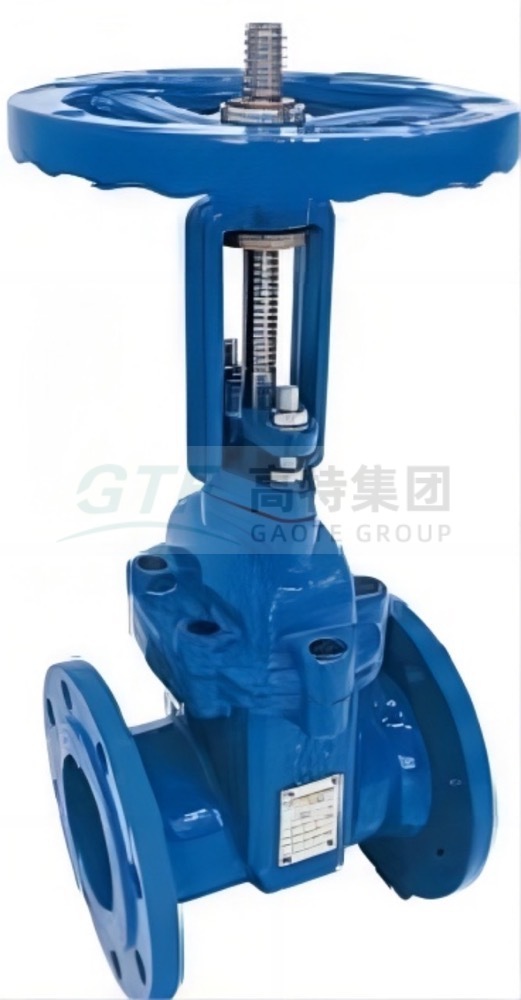
The Future of Quality Buried Gate Valves in Sustainable Engineering
In the evolving landscape of sustainable engineering, the importance of reliable and efficient infrastructure components cannot be overstated. One such critical component is the **buried gate valve**. As industries pivot towards eco-friendly solutions, understanding the future of quality buried gate valves becomes vital. This article explores the advancements, benefits, and innovations shaping this essential component in sustainable engineering.
Table of Contents
- 1. Introduction to Buried Gate Valves
- 2. Importance of Quality in Buried Gate Valves
- 3. Sustainability in Engineering: The Role of Buried Gate Valves
- 4. Innovations in Buried Gate Valve Technology
- 5. Applications of Buried Gate Valves in Sustainable Projects
- 6. The Future Outlook for Buried Gate Valves
- 7. Challenges in Implementing Quality Buried Gate Valves
- 8. Frequently Asked Questions
- 9. Conclusion
1. Introduction to Buried Gate Valves
Buried gate valves are essential components in various infrastructure systems, primarily used in water supply networks, sewage systems, and irrigation projects. These valves control the flow of fluids and can prevent backflow, ensuring the system operates efficiently. The **quality of buried gate valves** directly influences not only system reliability but also the overall sustainability of engineering projects.
2. Importance of Quality in Buried Gate Valves
Ensuring high-quality standards in buried gate valves is crucial for several reasons:
2.1 Enhancing System Reliability
Quality valves reduce the risk of leaks and failures, which can lead to significant downtime and costly repairs. By investing in high-quality buried gate valves, engineers can enhance the overall reliability of their water management systems.
2.2 Cost Efficiency
While premium valves may require a higher initial investment, their longevity and reduced maintenance needs often translate into long-term cost savings. This cost efficiency is paramount in sustainable engineering practices where budget constraints are common.
3. Sustainability in Engineering: The Role of Buried Gate Valves
The integration of sustainable practices in engineering is critical for reducing environmental impact. Buried gate valves play a significant role in this arena:
3.1 Water Conservation
Quality buried gate valves contribute to water conservation efforts by preventing leaks and ensuring that every drop of water is utilized effectively. This is particularly important in areas where water is scarce.
3.2 Reduced Environmental Impact
By minimizing leaks and optimizing fluid flow, buried gate valves help reduce the overall environmental footprint of engineering projects. Such valves limit the risk of contamination and protect local ecosystems.
4. Innovations in Buried Gate Valve Technology
As the demand for sustainable solutions increases, the technology behind buried gate valves continues to evolve:
4.1 Advanced Materials
Modern gate valves are now constructed from innovative materials that enhance durability and resistance to corrosion. Materials such as ductile iron, stainless steel, and advanced polymers are becoming standard in quality buried gate valves.
4.2 Smart Technology Integration
The advent of smart technology has reached the realm of buried gate valves. Sensors and IoT devices can now provide real-time data on valve performance, allowing for proactive maintenance and immediate response to potential issues.
5. Applications of Buried Gate Valves in Sustainable Projects
Quality buried gate valves are utilized in various sustainable engineering projects, including:
5.1 Municipal Water Systems
In municipal water systems, buried gate valves control the flow of water and ensure efficient distribution. Their reliability is crucial for maintaining water quality and service continuity.
5.2 Agricultural Irrigation
In agriculture, buried gate valves facilitate efficient irrigation practices, ensuring optimal water usage and reducing waste, which is vital for sustainable farming.
5.3 Wastewater Management
In wastewater treatment facilities, these valves help manage flow, allowing for efficient processing and reducing the risk of environmental contamination.
6. The Future Outlook for Buried Gate Valves
The future of buried gate valves is bright, driven by ongoing innovations and the increasing focus on sustainability:
6.1 Regulatory Trends
As governments and organizations push for more stringent regulations on water management and environmental protection, the demand for high-quality buried gate valves will likely increase.
6.2 Innovations in Manufacturing
Advancements in manufacturing techniques, including 3D printing and automation, will enhance the efficiency and precision of valve production, leading to even higher quality products.
7. Challenges in Implementing Quality Buried Gate Valves
Despite the many advantages, several challenges can hinder the implementation of quality buried gate valves:
7.1 Initial Cost
The upfront investment required for high-quality valves can be a barrier for some projects. Budget constraints often lead to compromises on valve quality, which can have long-term repercussions.
7.2 Knowledge and Expertise
The integration of advanced technologies in buried gate valves necessitates a skilled workforce that understands modern valve systems. The shortage of such expertise can limit the adoption of new technologies.
8. Frequently Asked Questions
8.1 What are buried gate valves?
Buried gate valves are used to control fluid flow in pipelines, buried underground, and are designed to minimize the risk of leaks and failures.
8.2 Why is quality important for buried gate valves?
Quality ensures reliability, reduces maintenance costs, and enhances system performance, contributing to more sustainable engineering solutions.
8.3 How do buried gate valves contribute to sustainability?
They help conserve water, reduce environmental impact, and enhance the efficiency of fluid management in various applications.
8.4 What are the latest technologies in buried gate valves?
Innovations include advanced materials, smart technology integration, and improved manufacturing techniques that enhance durability and performance.
8.5 What challenges are faced in using quality buried gate valves?
Challenges include high initial costs and the need for skilled expertise to implement and maintain advanced valve technologies.
9. Conclusion
As we look towards the future, the role of **quality buried gate valves** in sustainable engineering cannot be underestimated. The advancements in materials, technology, and applications not only enhance the reliability of these valves but also significantly contribute to environmental sustainability. By understanding the importance of these components and investing in quality, engineers can pave the way for more efficient and eco-friendly infrastructure solutions. The future is promising for buried gate valves, as they continue to evolve and meet the demands of a more sustainable world.
Previous:


Contact Us
Email:
Tel/WeChat:
Address:
Chenggong Development Zone, Ximei Street, Nan'an City, Quanzhou City, Fujian Province
Gaote Holding Group Co., Ltd.
Tel: +8613400888017
Email: gaotegroup@126.com
Address: Chenggong Development Zone, Ximei Street, Nan'an City, Quanzhou City, Fujian Province


Leave a message
* Note: Please be sure to fill in the information accurately and keep the communication open.