Gaote Holding Group focuses on the research and development and production of various valves


-
Products

-
-
-
Innovative Designs in Advanced Pneumatic Ball Valves for Enhanced Performance
2025-08-17
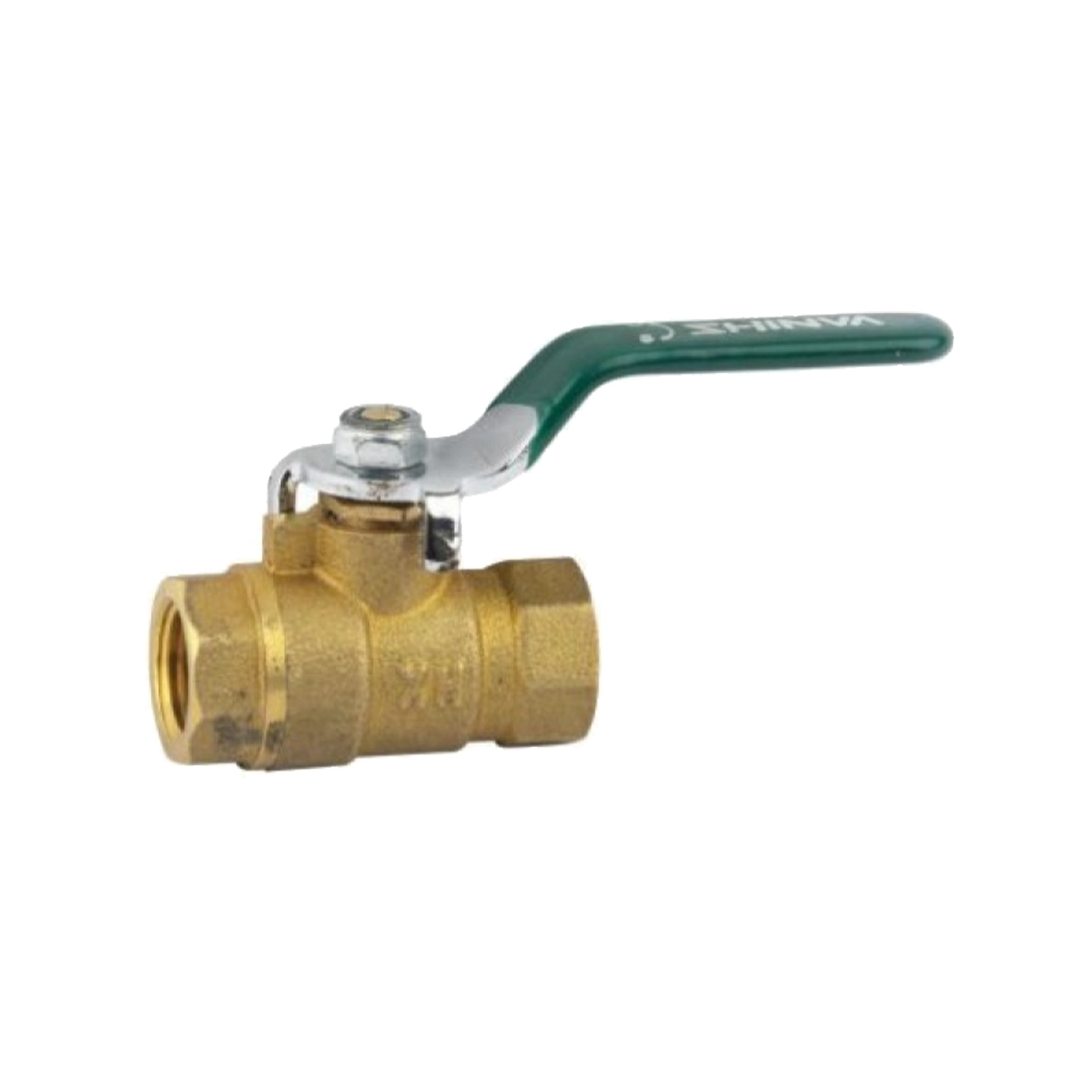
Innovative Designs in Advanced Pneumatic Ball Valves for Enhanced Performance
Table of Contents
- Introduction to Pneumatic Ball Valves
- Understanding the Functionality of Pneumatic Ball Valves
- Significance of Advanced Designs in Ball Valves
- Key Innovations in Pneumatic Ball Valves
- Enhanced Materials and Manufacturing Techniques
- Performance Optimization Techniques in Pneumatic Ball Valves
- Applications of Advanced Pneumatic Ball Valves
- Future Trends in Pneumatic Ball Valve Design
- Conclusion
- FAQs
Introduction to Pneumatic Ball Valves
Pneumatic ball valves play a critical role in various industrial processes, serving as essential components for controlling the flow of fluids and gases. These valves use compressed air to open and close, making them ideal for applications requiring rapid response times. In recent years, the demand for **advanced pneumatic ball valves** has surged, driven by the need for greater efficiency, reliability, and performance in industrial operations. This article delves into the innovative designs of these valves, highlighting how they enhance performance and meet the evolving needs of industries worldwide.
Understanding the Functionality of Pneumatic Ball Valves
Pneumatic ball valves operate using a spherical disc, or ball, with a hole through its center. When the valve is closed, the ball rotates to block the flow of liquid or gas. Conversely, when the valve is open, the ball turns to allow the fluid to pass through. This straightforward mechanism provides several advantages, including:
- Quick Operation: The ability to open and close rapidly enhances process control.
- Minimal Pressure Drop: A straight-through design ensures low resistance to flow.
- Durability: High-quality materials ensure a long lifespan, even in challenging environments.
Significance of Advanced Designs in Ball Valves
The significance of innovative designs in pneumatic ball valves cannot be overstated. Modern engineering has introduced various enhancements that not only boost performance but also improve the reliability and safety of industrial systems. By incorporating advanced designs, manufacturers can achieve:
- Increased Efficiency: Optimized flow design reduces energy consumption and enhances operational efficiency.
- Improved Safety: Advanced sealing technologies reduce the risk of leaks and failures.
- Versatility: Modern valves can handle a wider range of pressures and temperatures, making them suitable for various applications.
Key Innovations in Pneumatic Ball Valves
Several key innovations in pneumatic ball valve technology have emerged recently, contributing to their enhanced performance:
Smart Valve Technology
Smart pneumatic ball valves integrate sensors and IoT technology to provide real-time monitoring and control. This allows for data collection on valve performance, enabling predictive maintenance and reducing downtime.
Advanced Sealing Mechanisms
Innovative sealing materials and designs have significantly improved the reliability of pneumatic ball valves. New elastomers and seal designs withstand higher pressures and temperatures, reducing the risk of leaks.
Modular Design
Modular pneumatic ball valves allow for easy customization and maintenance. Users can interchange components based on specific application needs, enhancing the valve's adaptability and service life.
Enhanced Materials and Manufacturing Techniques
The selection of materials is crucial for the performance of pneumatic ball valves. Recent advancements in material science have led to the development of high-performance alloys and polymers that resist corrosion, wear, and thermal degradation. Key enhancements include:
Corrosion-Resistant Alloys
Using alloys with high resistance to corrosion extends the valve's operational lifespan, especially in chemical processing applications.
3D Printing Technology
3D printing enables the production of complex geometries that were previously impossible to manufacture. This technology allows for rapid prototyping, which accelerates the design and development process.
Performance Optimization Techniques in Pneumatic Ball Valves
To achieve better performance, manufacturers are employing various optimization techniques:
Flow Characterization
Advanced computational fluid dynamics (CFD) simulations help in understanding flow patterns within the valve, enabling designers to optimize shapes for minimal turbulence and maximum flow efficiency.
Actuation Techniques
Innovative actuation methods, such as double-acting and spring-return actuators, provide better control and faster response times, enhancing the overall performance of pneumatic ball valves.
Applications of Advanced Pneumatic Ball Valves
Advanced pneumatic ball valves are used in a wide variety of applications, reflecting their versatility and reliability:
Oil and Gas Industry
These valves are essential for controlling the flow of oil and gas through pipelines, ensuring safety and efficiency in operations.
Water Treatment Plants
Pneumatic ball valves are utilized for regulating the flow of water and chemicals, crucial for maintaining the quality of treated water.
Pharmaceutical Manufacturing
In the pharmaceutical sector, these valves help maintain stringent hygiene standards while providing precise control over fluid flows.
Future Trends in Pneumatic Ball Valve Design
Looking ahead, several trends are poised to shape the future of pneumatic ball valve design:
Increased Automation
As industries move towards automation, the demand for automated pneumatic ball valves is expected to rise, further enhancing process efficiency.
Sustainability Considerations
Future designs will likely focus on sustainability, integrating eco-friendly materials and energy-efficient technologies to reduce the environmental impact of valve production and operation.
Conclusion
The innovations in advanced pneumatic ball valves represent a significant leap forward in industrial applications. By embracing new designs, materials, and technologies, manufacturers can enhance the performance, reliability, and efficiency of these essential components. As industries continue to evolve, pneumatic ball valves will remain a cornerstone in achieving operational excellence, providing the precision and adaptability needed to meet future challenges.
FAQs
1. What is a pneumatic ball valve?
A pneumatic ball valve is a type of valve that uses compressed air to open and close a ball-shaped disc, enabling or blocking the flow of fluids or gases.
2. How do advanced designs improve pneumatic ball valves?
Advanced designs improve performance through features like smart technology, enhanced sealing mechanisms, and modular designs, allowing for better efficiency and reliability.
3. What materials are used in advanced pneumatic ball valves?
Modern pneumatic ball valves use high-performance alloys and polymers that resist corrosion and wear, ensuring durability in various applications.
4. What industries benefit from pneumatic ball valves?
Industries such as oil and gas, water treatment, and pharmaceuticals benefit significantly from the efficiency and reliability of pneumatic ball valves.
5. What are some future trends in pneumatic ball valve design?
Future trends include increased automation in valve operations and a focus on sustainability, with eco-friendly materials and energy-efficient designs becoming more prominent.


Contact Us
Email:
Tel/WeChat:
Address:
Chenggong Development Zone, Ximei Street, Nan'an City, Quanzhou City, Fujian Province
Gaote Holding Group Co., Ltd.
Tel: +8613400888017
Email: gaotegroup@126.com
Address: Chenggong Development Zone, Ximei Street, Nan'an City, Quanzhou City, Fujian Province


Leave a message
* Note: Please be sure to fill in the information accurately and keep the communication open.