Gaote Holding Group focuses on the research and development and production of various valves


-
Products

-
-
-
The Critical Importance of Quality Buried Gate Valves in Modern Infrastructure
The Critical Importance of Quality Buried Gate Valves in Modern Infrastructure
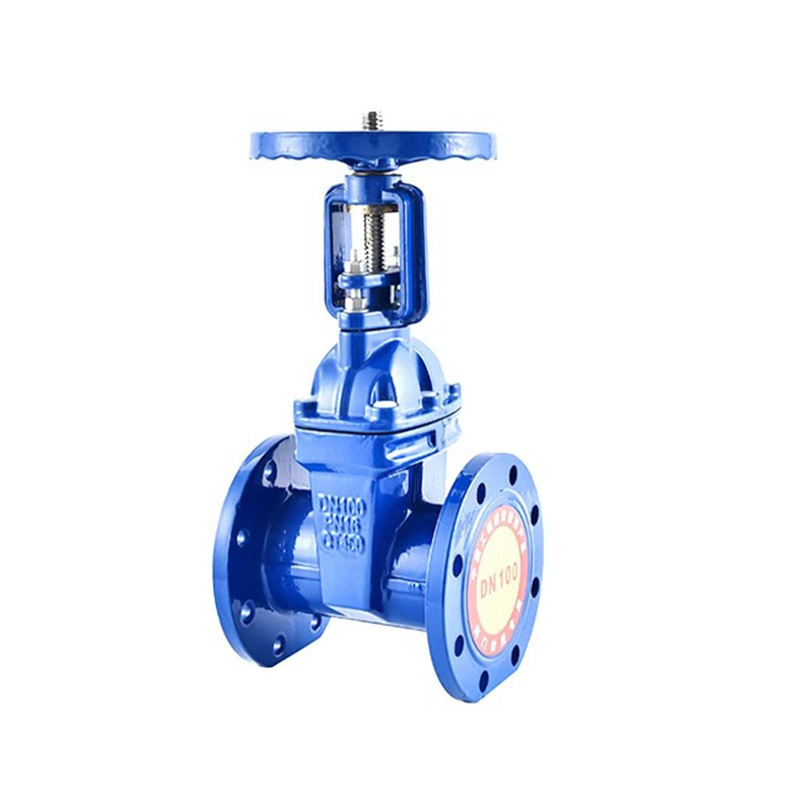
In today’s rapidly evolving infrastructure landscape, **quality buried gate valves** emerge as essential components in various applications, including water supply systems, wastewater management, and industrial processes. These valves are crucial for controlling the flow of liquids and gases in underground piping system
2026-02-06
The Critical Importance of Quality Buried Gate Valves in Modern Infrastructure
In today’s rapidly evolving infrastructure landscape, **quality buried gate valves** emerge as essential components in various applications, including water supply systems, wastewater management, and industrial processes. These valves are crucial for controlling the flow of liquids and gases in underground piping systems. Understanding their significance, functionality, and the best practices for installation and maintenance can make a substantial difference in the longevity and reliability of infrastructure projects.
Table of Contents
- 1. Introduction to Buried Gate Valves
- 2. Functionality and Design of Buried Gate Valves
- 3. Advantages of Using High-Quality Buried Gate Valves
- 4. Applications of Buried Gate Valves in Various Industries
- 5. Best Practices for Installing Buried Gate Valves
- 6. Maintenance and Inspection of Buried Gate Valves
- 7. How to Choose Quality Buried Gate Valves
- 8. Future Trends in Buried Gate Valve Technology
- 9. Frequently Asked Questions
- 10. Conclusion
1. Introduction to Buried Gate Valves
Buried gate valves are essential for controlling the flow of fluids in underground systems. Typically made from durable materials like ductile iron, these valves are designed to withstand harsh environmental conditions while providing reliable service. They feature a robust construction that ensures they can endure the pressures and corrosive elements often present in underground applications. Understanding their construction and functionality is vital for anyone involved in infrastructure development or maintenance.
2. Functionality and Design of Buried Gate Valves
The primary function of a buried gate valve is to either completely shut off or allow the flow of fluid through a pipe. Unlike other types of valves, gate valves are designed for full flow, meaning they have minimal pressure drop across the valve when fully opened. This is particularly important in large infrastructures where maintaining pressure is critical.
**Design Features:**
- **Gate Mechanism:** The valve operates using a gate that moves up and down to control fluid flow. This gate can be made of various materials, including stainless steel or cast iron, depending on the application.
- **Actuator Options:** Buried gate valves can be operated manually or with automated actuators. Manual valves typically have a handwheel, while automated options may use electric or hydraulic actuators for remote operation.
- **Sealing Materials:** High-quality sealing materials prevent leaks and ensure the valve maintains its integrity over time. Common materials include rubber or Teflon, which provide excellent resistance to wear and corrosion.
3. Advantages of Using High-Quality Buried Gate Valves
Investing in high-quality buried gate valves offers several advantages:
- **Reliability:** Quality valves are designed to perform under various conditions, providing consistent operation over their lifespan.
- **Durability:** Made from robust materials, these valves can withstand extreme temperatures, pressures, and corrosive environments, reducing the frequency of replacements and repairs.
- **Lower Maintenance Costs:** Quality valves require less maintenance, translating to lower operational costs over time.
- **Enhanced Performance:** High-quality valves ensure smooth fluid flow, minimizing energy consumption and maximizing the efficiency of the entire system.
4. Applications of Buried Gate Valves in Various Industries
Buried gate valves find applications across multiple sectors, including:
- **Water Supply Systems:** They play a crucial role in municipal water systems, allowing for the control and distribution of drinking water.
- **Wastewater Management:** Used in sewage systems, these valves help manage the flow of wastewater, crucial for treatment facilities.
- **Industrial Processes:** Various industries, including oil and gas, utilize buried gate valves to manage the flow of different fluids in their operations.
- **Irrigation Systems:** In agriculture, buried gate valves are essential for regulating the water supply to fields.
5. Best Practices for Installing Buried Gate Valves
Proper installation of buried gate valves directly influences their performance and longevity. Consider the following best practices:
- **Site Preparation:** Ensure the installation site is properly excavated and free from debris. The surrounding soil should be stable and compacted to avoid shifting that can damage the valve.
- **Alignment:** The valve must be aligned properly with the pipeline to prevent stress on the valve body. Misalignment can lead to premature failure.
- **Depth Consideration:** Install valves at an appropriate depth to protect them from external forces and environmental conditions.
- **Use of Thrust Blocks:** Thrust blocks can help distribute the load on the valve and prevent movement that could compromise the seal.
6. Maintenance and Inspection of Buried Gate Valves
Regular maintenance is vital for ensuring the functionality and longevity of buried gate valves. Recommended maintenance practices include:
- **Routine Inspections:** Conduct regular visual inspections, checking for signs of leaks or corrosion. This should be part of a comprehensive maintenance schedule.
- **Operational Testing:** Periodically test the valve operation to ensure it opens and closes smoothly without resistance.
- **Cleaning and Lubrication:** Keep the valve mechanisms clean and lubricated to prevent rust and ensure smooth operation.
- **Record Keeping:** Maintain detailed records of inspections, maintenance, and repairs to track the valve's performance over time.
7. How to Choose Quality Buried Gate Valves
Selecting the right buried gate valve is crucial for the success of your infrastructure project. Here are key factors to consider:
- **Material Quality:** Look for valves made from high-quality materials that are resistant to corrosion and wear.
- **Certifications and Standards:** Ensure the valves meet industry standards and certifications, indicating reliability and quality.
- **Manufacturer Reputation:** Choose reputable manufacturers known for their quality products and customer support. Reading reviews and testimonials can be helpful.
- **Customization Options:** Depending on your specific needs, consider whether the manufacturer offers customization options for size, material, and design.
8. Future Trends in Buried Gate Valve Technology
As infrastructure technology continues to evolve, several trends are emerging in the realm of buried gate valves:
- **Smart Valves:** Integration of smart technology is becoming increasingly common. Smart valves equipped with sensors can provide real-time data on flow rates, pressure, and valve condition.
- **Eco-Friendly Materials:** There’s a growing emphasis on using sustainable materials that minimize environmental impact while maintaining durability.
- **Advanced Coatings:** New coatings that enhance corrosion resistance and reduce maintenance needs are being developed, extending the lifespan of buried gate valves.
9. Frequently Asked Questions
**Q1: What are buried gate valves made of?**
Buried gate valves are typically made from materials such as ductile iron, stainless steel, and other durable alloys to withstand harsh conditions.
**Q2: How often should buried gate valves be inspected?**
It is recommended to inspect buried gate valves at least annually, and more frequently in critical applications where system reliability is essential.
**Q3: Can buried gate valves be operated remotely?**
Yes, many buried gate valves can be equipped with electric or hydraulic actuators for remote operation, enhancing control in large infrastructure projects.
**Q4: What is the typical lifespan of a buried gate valve?**
With proper maintenance and quality materials, buried gate valves can last anywhere from 20 to 50 years, depending on environmental conditions and usage.
**Q5: How can I prevent corrosion in buried gate valves?**
Using high-quality materials, applying protective coatings, and ensuring proper installation can help prevent corrosion and extend the life of buried gate valves.
10. Conclusion
Quality buried gate valves are indispensable components in modern infrastructure systems. Their ability to control fluid flow effectively while withstanding harsh conditions underscores their vital role in ensuring the efficiency and safety of water supply, wastewater management, and industrial applications. By understanding their functionality, advantages, and best practices for installation and maintenance, stakeholders can significantly enhance the longevity and reliability of their infrastructure projects. Investing in high-quality buried gate valves not only improves operational efficiency but also contributes to the sustainability of modern infrastructure.
Previous:

Contact Us
Email:
Tel/WeChat:
Address:
Chenggong Development Zone, Ximei Street, Nan'an City, Quanzhou City, Fujian Province
Gaote Holding Group Co., Ltd.
Tel: +86-595-8896-8800
Email: gaotegroup@126.com
Address: Chenggong Development Zone, Ximei Street, Nan'an City, Quanzhou City, Fujian Province


Leave a message
* Note: Please be sure to fill in the information accurately and keep the communication open.