Gaote Holding Group focuses on the research and development and production of various valves


-
Products

-
-
-
Top Features to Look for in Quality Buried Gate Valves
Top Features to Look for in Quality Buried Gate Valves
Buried gate valves are critical components in various industrial applications, especially in water distribution and sewage systems. These valves control the flow of liquids and gases, ensuring efficient operation and safety in underground installations. When selecting a buried gate valve, it's essential to understand the key features that dete
2026-02-24
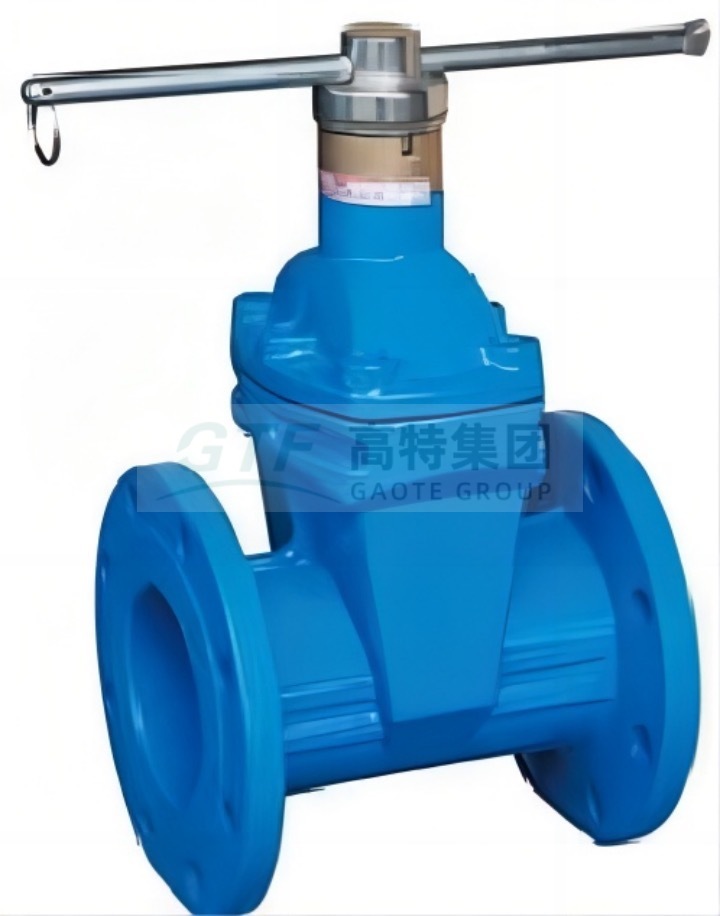
Top Features to Look for in Quality Buried Gate Valves
Buried gate valves are critical components in various industrial applications, especially in water distribution and sewage systems. These valves control the flow of liquids and gases, ensuring efficient operation and safety in underground installations. When selecting a buried gate valve, it's essential to understand the key features that determine its quality and performance. In this article, we delve into the top features to look for in high-quality buried gate valves, helping you make well-informed decisions for your projects.
Understanding Buried Gate Valves: An Overview
Buried gate valves are designed to be installed underground, typically in pipelines for water distribution systems, sewage systems, and other industrial applications. Unlike above-ground valves, buried gate valves must withstand harsh environmental conditions, including soil pressure, moisture, and corrosive elements. Understanding the basic components and functionalities of these valves is crucial, as it sets the foundation for identifying their quality aspects.
The Role of Buried Gate Valves in Industrial Applications
Buried gate valves primarily serve two purposes:
1. **Flow Control**: They allow or restrict the flow of liquids and gases in pipelines, ensuring regulated distribution.
2. **System Isolation**: In case of maintenance or emergencies, these valves can isolate sections of the pipeline, preventing widespread disruptions.
Given their importance, selecting the right buried gate valve is paramount for the reliability of your industrial systems.
Key Features of Quality Buried Gate Valves
When evaluating buried gate valves, several critical features must be considered. Here’s an in-depth look at these essential attributes:
1. Material Quality
The material used in manufacturing buried gate valves significantly affects their performance and durability. Common materials include:
- **Ductile Iron**: Known for its strength and ability to withstand high pressures.
- **Stainless Steel**: Offers excellent corrosion resistance, making it suitable for environments with aggressive substances.
- **PVC/CPVC**: Lightweight and resistant to corrosion, ideal for less demanding applications.
Selecting a valve made from high-quality materials ensures longevity and reduces the frequency of replacements.
2. Design and Construction
The design of a buried gate valve impacts its efficiency and reliability. Key design aspects to consider include:
- **Gate Design**: A wedge gate design is commonly preferred for its sealing capability and ease of operation.
- **Bonnet Type**: A bolted bonnet provides ease of maintenance, while a welded bonnet offers a more robust seal.
- **End Connections**: Choose between flanged, threaded, or mechanical joint designs based on your installation requirements.
Quality construction minimizes the risk of leakage and enhances the overall performance of the valve.
3. Sealing Mechanism
An effective sealing mechanism is crucial for preventing leaks and ensuring that the valve operates smoothly. Look for:
- **Resilient Seat Materials**: Materials like EPDM or NBR provide excellent sealing properties and withstand various temperatures and pressures.
- **Double Seals**: Some high-quality valves feature double sealing mechanisms, providing an added layer of protection against leaks.
A robust sealing mechanism ensures reliability, particularly in critical applications.
4. Size and Flow Capacity
Choosing the correct size and flow capacity for your buried gate valve is essential for optimal performance. Factors to consider include:
- **Pipe Diameter**: Ensure the valve matches the pipeline diameter for seamless integration.
- **Flow Rate**: Determine the required flow rate for your application to select a valve that can handle the demand.
Selecting the right size prevents bottlenecks and ensures efficient fluid dynamics within the system.
5. Valve Actuation Options
The method of actuation can greatly influence the ease of use and functionality of a buried gate valve. Common actuation methods include:
- **Manual Operation**: Standard handwheels or levers allow for straightforward manual control.
- **Electric Actuators**: Provide remote control capabilities, enhancing operational efficiency.
- **Pneumatic or Hydraulic Actuators**: Ideal for large-scale operations requiring rapid valve operation.
Consider the specific requirements of your application when selecting an actuation method.
6. Installation Requirements
Quality buried gate valves should come with clear installation guidelines to simplify the setup process. Key installation factors include:
- **Depth and Alignment**: Ensure the valve is installed at the correct depth and aligned properly to prevent operational issues.
- **Support Systems**: Some valves may require additional support systems to maintain structural integrity under soil pressure.
Understanding installation requirements facilitates proper integration into your pipeline system.
7. Maintenance and Serviceability
Regular maintenance is vital for ensuring the longevity and reliability of buried gate valves. Look for features that simplify maintenance, such as:
- **Accessible Bonnet Design**: A design that allows easy access to internal components without extensive excavation.
- **Replaceable Seals**: Valves that allow for seal replacement can significantly reduce maintenance costs.
A focus on maintenance-friendly designs ensures that your valve remains operational with minimal downtime.
8. Certifications and Standards Compliance
Quality buried gate valves should comply with industry standards and certifications, including:
- **AWWA (American Water Works Association)**: Ensures the valve meets specific performance and safety criteria for water systems.
- **ISO Certifications**: International standards ensure quality in manufacturing processes.
Selecting valves that adhere to these standards guarantees a level of reliability and performance that meets industry expectations.
Conclusion
In the realm of industrial applications, selecting the right buried gate valve is crucial for ensuring safety, efficiency, and longevity of your systems. By focusing on these key features—material quality, design, sealing mechanism, size and flow capacity, actuation options, installation requirements, maintenance ease, and certifications—you can make informed choices that enhance performance and reliability. Thoroughly evaluating these attributes will lead to better operational outcomes and longevity for your buried gate valves.
Frequently Asked Questions (FAQs)
1. What is a buried gate valve?
Buried gate valves are valves designed for underground installation in pipelines, allowing for the control of fluid flow and system isolation.
2. How do I choose the right size for a buried gate valve?
Select a valve that matches the pipeline diameter and can accommodate the required flow rate for your application.
3. What materials are best for buried gate valves?
Ductile iron, stainless steel, and PVC/CPVC are commonly used materials, with each offering different benefits in terms of strength and corrosion resistance.
4. How often should buried gate valves be maintained?
Regular maintenance is recommended, typically every one to two years, depending on usage and environmental conditions.
5. Can buried gate valves be operated remotely?
Yes, electric actuators can be installed on buried gate valves, enabling remote operation for improved efficiency.
By understanding the important features of buried gate valves, you can ensure that your selection meets the highest standards of quality and operational efficiency.
Previous:

Contact Us
Email:
Tel/WeChat:
Address:
Chenggong Development Zone, Ximei Street, Nan'an City, Quanzhou City, Fujian Province
Gaote Holding Group Co., Ltd.
Tel: +86-595-8896-8800
Email: gaotegroup@126.com
Address: Chenggong Development Zone, Ximei Street, Nan'an City, Quanzhou City, Fujian Province


Leave a message
* Note: Please be sure to fill in the information accurately and keep the communication open.