Gaote Holding Group focuses on the research and development and production of various valves


-
Products

-
-
-
Quality Buried Gate Valves: A Comprehensive Guide for Engineers
Quality Buried Gate Valves: A Comprehensive Guide for Engineers
Table of Contents
1. Introduction to Buried Gate Valves
2. Understanding the Functionality of Gate Valves
3. Key Features of Quality Buried Gate Valves
3.1 Material Specifications
3.2 Design Considerations
3.3 Size and Configuration
4. Applications of Buried Gate Valves
5. Installation Guidelines for Buried Gate Valv
2026-04-01
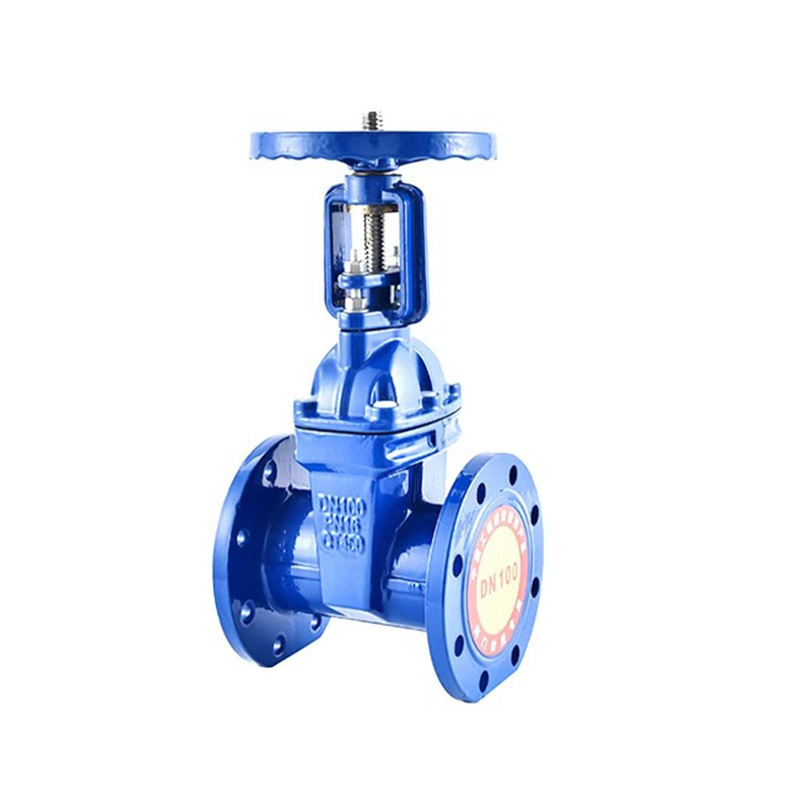
Quality Buried Gate Valves: A Comprehensive Guide for Engineers
Table of Contents
1. Introduction to Buried Gate Valves
2. Understanding the Functionality of Gate Valves
3. Key Features of Quality Buried Gate Valves
3.1 Material Specifications
3.2 Design Considerations
3.3 Size and Configuration
4. Applications of Buried Gate Valves
5. Installation Guidelines for Buried Gate Valves
5.1 Site Preparation
5.2 Valve Installation Steps
6. Maintenance Practices for Longevity
7. Troubleshooting Common Issues
8. Conclusion
9. Frequently Asked Questions (FAQs)
1. Introduction to Buried Gate Valves
Quality buried gate valves play a crucial role in numerous industrial applications. They are primarily designed to control the flow of fluids within pipelines and systems that require reliable isolation. Understanding their functionality, specifications, and maintenance requirements is essential for engineers and technicians involved in their selection and installation.
2. Understanding the Functionality of Gate Valves
Gate valves are linear motion valves that open or close by raising or lowering a gate. This mechanism allows for minimal pressure drop across the valve when fully open, making them ideal for applications where flow efficiency is critical. Buried gate valves, specifically, are installed below ground level, often in water supply systems, sewage treatment plants, and other underground utilities.
3. Key Features of Quality Buried Gate Valves
When evaluating buried gate valves, engineers should consider several key features that contribute to their quality and performance.
3.1 Material Specifications
The materials used in manufacturing buried gate valves significantly impact their durability and resistance to corrosion. Common materials include ductile iron, stainless steel, and bronze. Selecting the right material based on the application's fluid and environmental conditions is critical for ensuring a long service life.
3.2 Design Considerations
Quality buried gate valves often feature a non-rising stem design, which is advantageous for underground installations. This design helps prevent the valve stem from being damaged during soil settling or shifting. Additionally, the valve's sealing mechanism should ensure a tight seal to prevent leaks when the valve is closed.
3.3 Size and Configuration
Buried gate valves come in various sizes and configurations to accommodate different pipeline diameters and design requirements. Engineers must accurately assess the required size and ensure compatibility with the existing system to optimize performance.
4. Applications of Buried Gate Valves
Buried gate valves find applications in numerous sectors, including municipal water supply, wastewater treatment, irrigation systems, and industrial processes. They are particularly useful in scenarios where a reliable shut-off mechanism is required without the need for regular access.
5. Installation Guidelines for Buried Gate Valves
Proper installation of buried gate valves is critical to ensure their functionality and longevity. Adhering to best practices during installation can prevent future issues and extend the service life of the valves.
5.1 Site Preparation
Before installation, thorough site preparation is essential. This includes excavating the area to the correct depth, ensuring that the foundation is stable, and removing any debris that may interfere with the valve's placement. Additionally, it is crucial to consult local regulations regarding underground utilities.
5.2 Valve Installation Steps
1. Position the valve in the prepared excavation, ensuring it is level and aligned with the pipeline.
2. Connect the valve to the pipeline using appropriate fittings, ensuring a tight seal to prevent leaks.
3. Backfill around the valve with suitable material, avoiding large rocks or debris that could damage the valve.
4. Test the installation for leaks before fully backfilling the excavation.
6. Maintenance Practices for Longevity
To ensure the longevity and reliability of buried gate valves, regular maintenance is essential. Engineers should implement a maintenance schedule that includes periodic inspections and operational checks.
- **Visual Inspections:** Conduct regular visual inspections of accessible components to identify signs of wear or damage.
- **Operational Checks:** Regularly operate the valve to ensure it opens and closes smoothly. This helps prevent sticking and ensures proper sealing.
- **Cleaning:** Keep the area around the valve free of debris and vegetation to facilitate accessibility during maintenance.
7. Troubleshooting Common Issues
Despite proper installation and maintenance, issues may occasionally arise with buried gate valves. Understanding common problems and their solutions can help engineers address these issues promptly.
- **Leaking Valve:** If a valve is leaking, first check the connections for tightness. If the leak persists, it may be necessary to replace the valve's seals.
- **Sticking Mechanism:** A sticking valve may result from debris or corrosion buildup. Regular operation and cleaning can often resolve this issue.
- **Inability to Open/Close:** This could indicate internal damage or a malfunctioning mechanism. In such cases, inspection and potential replacement may be necessary.
8. Conclusion
Quality buried gate valves are essential components in numerous industrial applications, providing reliable flow control and isolation. By understanding their features, installation requirements, and maintenance practices, engineers can ensure optimal performance and longevity. Selecting the right materials, adhering to best practices during installation, and implementing regular maintenance protocols are key to maximizing the efficiency and reliability of these critical valves.
9. Frequently Asked Questions (FAQs)
1. What is the typical lifespan of a buried gate valve?
The lifespan of a buried gate valve can vary based on material, environmental conditions, and maintenance practices, but they can typically last 20 to 50 years.
2. How often should buried gate valves be inspected?
It is recommended to inspect buried gate valves at least annually, with more frequent checks in harsh environments.
3. Can buried gate valves be repaired, or do they need to be replaced?
Many issues can be repaired, such as replacing seals or internal components. However, severe damage may necessitate a complete valve replacement.
4. What are the most common materials used for buried gate valves?
Common materials include ductile iron, stainless steel, and bronze, selected based on the application's requirements.
5. Are there specific installation codes for buried gate valves?
Yes, installation codes and standards may vary by location and application. It's essential to consult local regulations and guidelines before installation.
Previous:

Contact Us
Email:
Tel/WeChat:
Address:
Chenggong Development Zone, Ximei Street, Nan'an City, Quanzhou City, Fujian Province
Gaote Holding Group Co., Ltd.
Tel: +86-595-8896-8800
Email: gaotegroup@126.com
Address: Chenggong Development Zone, Ximei Street, Nan'an City, Quanzhou City, Fujian Province


Leave a message
* Note: Please be sure to fill in the information accurately and keep the communication open.