Gaote Holding Group focuses on the research and development and production of various valves


-
Products

-
-
-
Innovative Uses of Quality Buried Gate Valves Across Diverse Industries
Innovative Uses of Quality Buried Gate Valves Across Diverse Industries
Table of Contents
1. Introduction to Buried Gate Valves
2. What Are Buried Gate Valves?
3. The Importance of Buried Gate Valves in Industries
4. Innovative Applications of Buried Gate Valves
4.1 Water Management Systems
4.2 Oil and Gas Industry
4.3 Mining Industry
2026-04-19
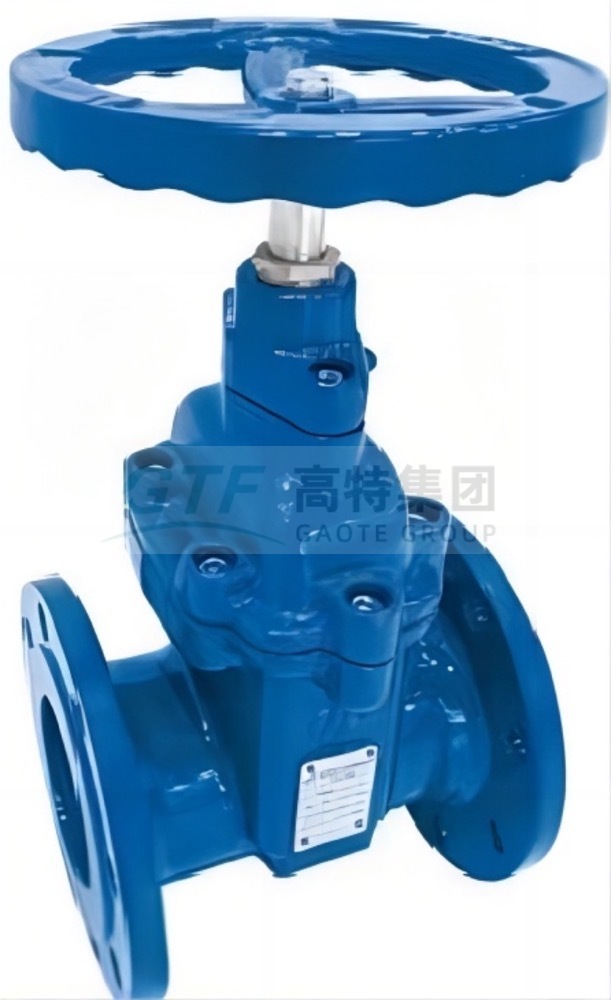
Innovative Uses of Quality Buried Gate Valves Across Diverse Industries
Table of Contents
- 1. Introduction to Buried Gate Valves
- 2. What Are Buried Gate Valves?
- 3. The Importance of Buried Gate Valves in Industries
- 4. Innovative Applications of Buried Gate Valves
- 5. Technical Advancements in Buried Gate Valves
- 6. Benefits of Using High-Quality Buried Gate Valves
- 7. Maintenance and Reliability
- 8. Future Trends in Gate Valve Technology
- 9. Frequently Asked Questions (FAQs)
- 10. Conclusion
1. Introduction to Buried Gate Valves
Buried gate valves play a crucial role in the infrastructure of various industries by regulating the flow of fluids and gases. These valves are designed to be installed underground, allowing for efficient operation while minimizing surface disruption. As industries continue to evolve, the innovative use of buried gate valves is becoming increasingly significant.
2. What Are Buried Gate Valves?
Buried gate valves are types of valves designed for underground installations where direct access is challenging. Typically constructed from durable materials like ductile iron or stainless steel, these valves are equipped with features that enhance their performance and longevity. Key components include:
- **Gate**: The movable part that opens or closes the valve, controlling fluid flow.
- **Body**: The main structure that houses the gate and other components, designed for high strength and corrosion resistance.
- **Stem**: The mechanism that connects the gate to the actuator, allowing for smooth operation.
- **Actuator**: The device used to operate the valve, which can be manual or automated.
3. The Importance of Buried Gate Valves in Industries
The significance of buried gate valves extends across multiple sectors, including water supply systems, oil and gas pipelines, and industrial manufacturing. Their ability to withstand high pressures and extreme temperatures makes them indispensable in ensuring safe and reliable operations.
Moreover, these valves help reduce the need for frequent maintenance and repairs, contributing to lower operational costs in the long run.
4. Innovative Applications of Buried Gate Valves
The versatility of buried gate valves allows them to be utilized in various innovative applications across multiple industries.
4.1 Water Management Systems
In the realm of water management, buried gate valves are essential for controlling the flow of water within municipal systems. They enable effective distribution of potable water while providing a reliable means to isolate sections of the system for maintenance or emergency repairs. Additionally, their durability ensures they can withstand external pressures from soil and water movement.
4.2 Oil and Gas Industry
The oil and gas industry heavily relies on buried gate valves for pipeline operations. These valves are pivotal in regulating the flow of crude oil and natural gas, ensuring safe transportation from extraction sites to processing facilities. Their robust construction minimizes the risk of leaks and potential environmental hazards.
4.3 Mining Industry
In mining operations, buried gate valves are crucial for managing the flow of water used in mineral processing and dust suppression. They help maintain optimal conditions for mining activities while preventing water-related damages to equipment and the surrounding environment. Their ability to operate under extreme conditions makes them well-suited for this industry.
4.4 Energy Sector
The energy sector also benefits from the integration of buried gate valves, particularly in geothermal and renewable energy systems. These valves help control fluid circulation, ensuring efficient heat transfer and energy production. Their usage in this sector showcases the adaptability of buried gate valves in emerging technologies.
5. Technical Advancements in Buried Gate Valves
Continuous advancements in valve technology have led to the development of more efficient and reliable buried gate valves. Innovations include:
- **Smart Valve Technology**: Integration of IoT sensors that provide real-time monitoring and diagnostics.
- **Enhanced Materials**: Development of corrosion-resistant coatings and durable alloys to extend valve lifespan.
- **Automated Actuation**: Advances in actuator technology allow for remote operation and improved control.
These technical enhancements ensure that buried gate valves meet the increasing demands of modern industries.
6. Benefits of Using High-Quality Buried Gate Valves
Investing in high-quality buried gate valves offers numerous advantages:
- **Reliability**: Quality valves are designed to withstand harsh operating conditions, reducing the chances of failure.
- **Cost-Effectiveness**: Durable valves require less frequent replacements, leading to lower long-term costs.
- **Efficiency**: High-quality materials and designs contribute to better flow control and reduced energy consumption.
- **Safety**: Reliable operation minimizes the risk of leaks and environmental damage, ensuring safety for workers and surrounding communities.
7. Maintenance and Reliability
Regular maintenance of buried gate valves is essential for ensuring their longevity and performance. Best practices include:
- **Regular Inspections**: Conducting periodic checks to identify potential issues before they escalate.
- **Lubrication**: Keeping the stem and actuator components well-lubricated to ensure smooth operation.
- **Cleaning**: Regularly cleaning valve surfaces to prevent corrosion and buildup.
By adhering to these maintenance practices, industries can enhance the reliability and operational lifespan of their buried gate valves.
8. Future Trends in Gate Valve Technology
As industries continue to evolve, so will the technology surrounding buried gate valves. Future trends may include:
- **Sustainability**: Increased focus on eco-friendly materials and manufacturing processes.
- **Digital Integration**: Enhanced IoT capabilities for predictive maintenance and real-time monitoring.
- **Robotics**: Use of robotic systems for valve inspection and maintenance to minimize downtime and human exposure to hazardous conditions.
These trends indicate a shift towards more intelligent and sustainable valve solutions.
9. Frequently Asked Questions (FAQs)
1. What are the main advantages of buried gate valves?
The main advantages include reliability, cost-effectiveness, operational efficiency, and enhanced safety.
2. How can buried gate valves be maintained?
Regular inspections, lubrication, and cleaning are crucial for maintaining buried gate valves.
3. What industries commonly use buried gate valves?
Buried gate valves are commonly used in water management, oil and gas, mining, and energy sectors.
4. Are there new technologies being integrated into buried gate valves?
Yes, advancements like IoT integration and enhanced materials are being incorporated into modern designs.
5. How do buried gate valves improve operational efficiency?
They provide reliable flow control, reduce maintenance needs, and minimize the risk of leaks, thereby enhancing overall efficiency.
10. Conclusion
Buried gate valves are indispensable components in various industries, offering innovative solutions for fluid and gas management. Their unique design and robust construction enhance operational reliability, safety, and efficiency. As technology progresses, the integration of smart features and sustainable practices will further revolutionize their use. Investing in high-quality buried gate valves not only promotes operational excellence but also strengthens the foundation of modern industrial infrastructure.

Contact Us
Email:
Tel/WeChat:
Address:
Chenggong Development Zone, Ximei Street, Nan'an City, Quanzhou City, Fujian Province
Gaote Holding Group Co., Ltd.
Tel: +86-595-8896-8800
Email: gaotegroup@126.com
Address: Chenggong Development Zone, Ximei Street, Nan'an City, Quanzhou City, Fujian Province


Leave a message
* Note: Please be sure to fill in the information accurately and keep the communication open.