Gaote Holding Group focuses on the research and development and production of various valves


-
Products

-
-
-
Troubleshooting Common Issues with Quality Buried Gate Valves: A Comprehensive Guide
Troubleshooting Common Issues with Quality Buried Gate Valves
Table of Contents
Introduction to Buried Gate Valves
Understanding Common Issues with Buried Gate Valves
Signs of Failure in Buried Gate Valves
Common Troubleshooting Techniques
Prevention Strategies for Buried Gate Valves
When to Consult a Professional
Case Studies and Examples
Frequently Asked Question
2026-05-07
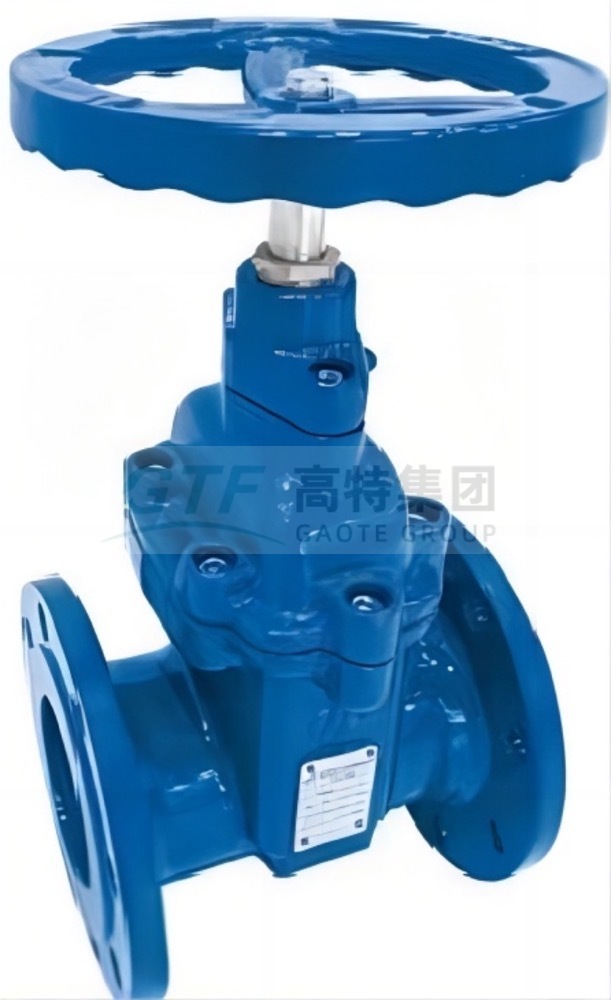
Troubleshooting Common Issues with Quality Buried Gate Valves
Table of Contents
- Introduction to Buried Gate Valves
- Understanding Common Issues with Buried Gate Valves
- Signs of Failure in Buried Gate Valves
- Common Troubleshooting Techniques
- Prevention Strategies for Buried Gate Valves
- When to Consult a Professional
- Case Studies and Examples
- Frequently Asked Questions
- Conclusion
Introduction to Buried Gate Valves
Buried gate valves are critical components in various industrial applications, particularly in water and wastewater management, oil and gas, and other fluid control systems. These valves are designed to provide reliable isolation of flow in pipelines and are often installed underground. Their durable construction ensures long service life, but they are not without their challenges. Understanding how to troubleshoot common issues can significantly improve their functionality and lifespan.
Understanding Common Issues with Buried Gate Valves
Buried gate valves encounter a range of operational issues that can compromise their effectiveness. Common problems include:
Leakage
Leakage can occur due to wear and tear, improper installation, or corrosion. Identifying the source of leakage is critical for timely repairs.
Sticking or Jammed Operation
Over time, gate valves may become difficult to operate. This sticking can result from debris accumulation, corrosion, or mechanical failure.
Corrosion and Material Degradation
Corrosion due to harsh environmental conditions can lead to material degradation, affecting the valve's functionality and safety.
Misalignment
Improper installation can cause misalignment, resulting in operational difficulties and increased stress on the valve components.
Signs of Failure in Buried Gate Valves
Recognizing the early signs of valve failure can prevent costly repairs and downtime. Key indicators include:
Unusual Sounds
Rattling, grinding, or any unusual noises during operation can signal internal issues.
Visible Damage
Regular inspections may reveal visible signs of wear, corrosion, or deformation that necessitate immediate attention.
Increased Pressure Drops
A noticeable increase in pressure drop across the valve could indicate internal blockages or partial valve closure.
Leaking Fluids
Fluid leaks at the valve's packing or body are clear indicators of potential failure and must be addressed promptly.
Common Troubleshooting Techniques
When faced with issues related to buried gate valves, employing systematic troubleshooting techniques can help identify and resolve problems.
Visual Inspection
Conducting a thorough visual inspection can reveal signs of wear, corrosion, or misalignment. Ensure that the valve and surrounding area are clear of debris.
Operational Testing
Test the valve's operation by opening and closing it multiple times. Note any resistance or unusual sounds that could indicate underlying issues.
Leak Testing
To check for leaks, consider conducting a pressure test. Ensure that the system is pressurized while monitoring the valve for any signs of fluid escaping.
Corrosion Assessment
Evaluate the valve material for corrosion signs. If corrosion is evident, consider employing protective coatings or replacing the valve.
Prevention Strategies for Buried Gate Valves
Preventing issues before they arise is crucial for the longevity of buried gate valves. Key strategies include:
Regular Maintenance
Scheduled maintenance checks can help identify potential problems early on. Regularly inspect and service the valves to ensure optimal performance.
Proper Installation
Ensuring the correct installation of the valves is vital. Follow manufacturer guidelines and industry best practices to prevent misalignment and operational issues.
Corrosion Protection
Implement protective measures such as coatings or cathodic protection to enhance the durability of the valves against corrosive environments.
Debris Management
Ensure that the surrounding area of the valve is kept clear of debris and vegetation that could obstruct operation or cause corrosion.
When to Consult a Professional
While many troubleshooting and maintenance tasks can be performed in-house, there are instances when professional assistance is warranted. Consider consulting a professional when:
Complex Repairs Are Needed
If the valve requires extensive repairs or replacement, it's best to seek professional help to ensure proper workmanship.
Specialized Equipment Is Required
Certain testing or repair procedures may require specialized tools and equipment that are not readily available in most facilities.
Safety Concerns Arise
If there are safety concerns regarding the operation of the valve, it is crucial to consult with a qualified professional to mitigate risks.
Case Studies and Examples
Examining real-world examples can offer valuable insights into common issues with buried gate valves and effective troubleshooting methods.
Case Study 1: Municipal Water Supply System
In a municipal water supply system, a series of buried gate valves began to leak due to corrosion. Regular inspections uncovered the issue, prompting the implementation of a corrosion protection strategy that included protective coatings and regular maintenance schedules. As a result, the leakage was significantly reduced, ensuring a reliable water supply.
Case Study 2: Oil and Gas Pipeline
An oil and gas pipeline experienced operational difficulties with its buried gate valves due to debris accumulation. A thorough cleaning and operational testing were conducted, followed by the installation of debris screens. This proactive approach significantly improved valve functionality and reduced maintenance costs.
Frequently Asked Questions
1. What are buried gate valves used for?
Buried gate valves are primarily used for isolating flow in pipelines, particularly in water and wastewater applications, as well as oil and gas sectors.
2. How often should buried gate valves be inspected?
Regular inspections should be conducted at least once a year, or more frequently in harsh environments, to ensure optimal performance and early detection of issues.
3. What are the signs of a faulty buried gate valve?
Common signs include unusual sounds during operation, visible damage, increased pressure drops, and fluid leaks.
4. Can I repair a buried gate valve myself?
While minor issues can be handled in-house, consulting a professional is recommended for complex repairs or safety concerns.
5. What maintenance practices can extend the life of buried gate valves?
Regular maintenance, proper installation, debris management, and corrosion protection strategies are essential for prolonging the lifespan of buried gate valves.
Conclusion
Troubleshooting common issues with buried gate valves is essential for maintaining their functionality and ensuring the safety of fluid management systems. By understanding the common problems, employing effective troubleshooting techniques, and implementing preventive strategies, we can enhance the performance and longevity of these crucial components. Regular inspections, timely repairs, and professional consultations when necessary will lead to more reliable operations and reduced downtime. By staying proactive, we can ensure that buried gate valves serve their purpose effectively and efficiently.
Previous:

Contact Us
Email:
Tel/WeChat:
Address:
Chenggong Development Zone, Ximei Street, Nan'an City, Quanzhou City, Fujian Province
Gaote Holding Group Co., Ltd.
Tel: +86-595-8896-8800
Email: gaotegroup@126.com
Address: Chenggong Development Zone, Ximei Street, Nan'an City, Quanzhou City, Fujian Province


Leave a message
* Note: Please be sure to fill in the information accurately and keep the communication open.