Gaote Holding Group focuses on the research and development and production of various valves


-
Products

-
-
-
Understanding the Installation Process for Quality Buried Gate Valves: A Comprehensive Guide
Understanding the Installation Process for Quality Buried Gate Valves
Table of Contents
1. Introduction to Buried Gate Valves
2. Importance of Quality in Buried Gate Valves
3. Types of Buried Gate Valves
4. The Installation Process: Step-by-Step Guide
4.1 Preparation Before Installation
4.2 Proper Positioning of the Valve
4.3 Backfillin
2026-06-12
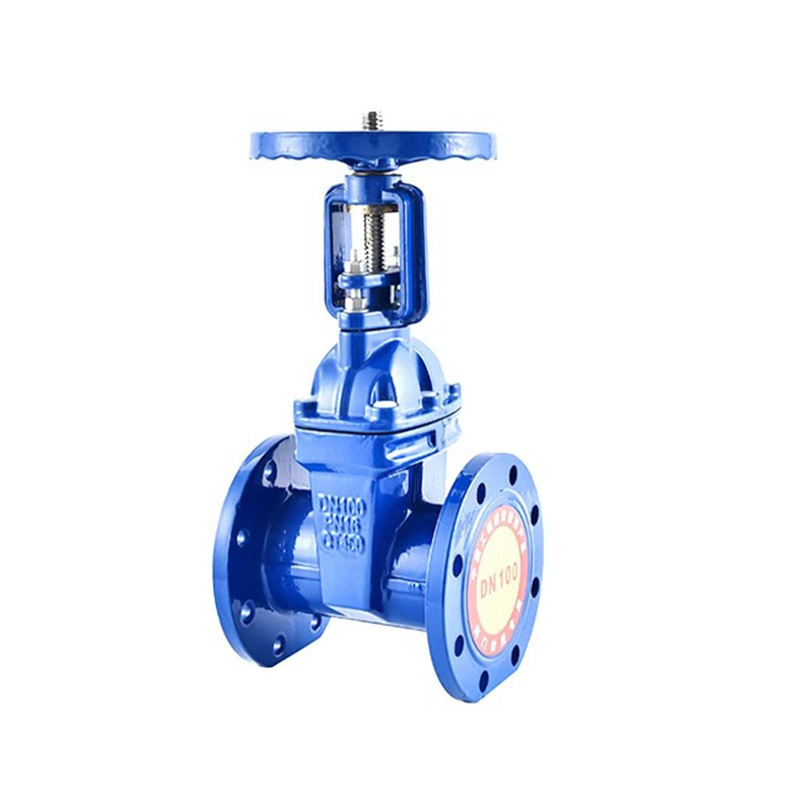
Understanding the Installation Process for Quality Buried Gate Valves
Table of Contents
- 1. Introduction to Buried Gate Valves
- 2. Importance of Quality in Buried Gate Valves
- 3. Types of Buried Gate Valves
- 4. The Installation Process: Step-by-Step Guide
- 4.1 Preparation Before Installation
- 4.2 Proper Positioning of the Valve
- 4.3 Backfilling and Compaction
- 5. Testing and Maintenance After Installation
- 6. Common Installation Issues and Solutions
- 7. Frequently Asked Questions
- 8. Conclusion
1. Introduction to Buried Gate Valves
Buried gate valves are essential components in various industrial applications, particularly in water distribution systems and wastewater management. These valves are designed to control the flow of liquids in underground pipelines, providing reliable service while minimizing potential disruptions. Understanding the installation process of these valves is crucial for ensuring optimal performance and longevity.
2. Importance of Quality in Buried Gate Valves
The quality of buried gate valves directly affects the overall efficiency and safety of fluid systems. High-quality valves resist corrosion, withstand high pressure, and offer superior sealing capabilities. Investing in quality ensures fewer maintenance issues, lower operational costs, and prolonged service life.
3. Types of Buried Gate Valves
When selecting a buried gate valve, it is essential to consider the specific requirements of your application. The main types include:
3.1 Wedge Gate Valves
Wedge gate valves utilize a wedge-shaped gate to control flow. They are highly durable and suitable for high-pressure applications.
3.2 Parallel Gate Valves
Parallel gate valves feature two parallel sealing surfaces. They are ideal for applications requiring low-pressure drops and allow for easier maintenance.
3.3 Rising Stem vs. Non-Rising Stem Valves
Rising stem valves provide visual feedback on valve position, making them easier to operate. Non-rising stem valves are preferred in situations with limited vertical space.
4. The Installation Process: Step-by-Step Guide
Proper installation of buried gate valves is critical for their performance and longevity. Follow these steps to ensure a successful installation.
4.1 Preparation Before Installation
Before beginning the installation process, several preparatory steps must be taken:
- **Assess Site Conditions:** Evaluate the soil type, moisture levels, and any potential obstacles that may affect installation.
- **Gather Necessary Tools and Materials:** Ensure you have all required tools, including shovels, wrenches, and safety gear. Verify that the valve and associated components meet the specified requirements for your application.
- **Review Installation Guidelines:** Familiarize yourself with the manufacturer’s installation instructions to avoid common pitfalls.
4.2 Proper Positioning of the Valve
Correct positioning of the valve is vital for its effective operation. Here’s how to position it properly:
1. **Excavate the Area:** Dig a trench that allows sufficient space around the valve for installation and maintenance.
2. **Check Alignment:** Position the valve so that it aligns correctly with the pipeline. Ensure that it sits level and is supported adequately.
3. **Install Valve Supports:** Use sand or gravel to create a stable base for the valve. This prevents shifting and ensures proper sealing.
4.3 Backfilling and Compaction
After positioning the valve, the next step is backfilling the trench:
- **Initial Backfill:** Add a layer of granular material around the valve to protect it from damage during backfilling.
- **Compaction:** Compact the backfill material in layers to prevent settling. This is crucial for maintaining valve alignment and preventing future leaks.
- **Final Layer:** Cover with soil, ensuring that no large rocks or debris come into contact with the valve.
5. Testing and Maintenance After Installation
Once the valve is installed, it’s essential to conduct thorough testing and establish a maintenance routine:
- **Pressure Testing:** Before putting the valve into service, perform a pressure test to ensure there are no leaks.
- **Routine Inspections:** Schedule regular inspections to check for signs of wear or damage. These inspections help identify potential issues before they escalate.
- **Maintenance Procedures:** Follow the manufacturer’s recommendations for routine maintenance to ensure optimal performance.
6. Common Installation Issues and Solutions
Despite careful planning and execution, some common issues may arise during the installation of buried gate valves:
6.1 Misalignment of the Valve
**Solution:** Regularly check alignment during the installation process, making adjustments as necessary to ensure proper fit with the pipeline.
6.2 Poor Sealing
**Solution:** Ensure that the valve is installed according to specifications and that all connections are tight. Using high-quality gaskets can also improve sealing.
6.3 Soil Settlement
**Solution:** Proper compaction of the backfill material minimizes the risk of soil settlement. Regular maintenance checks will also help identify any settling issues early on.
7. Frequently Asked Questions
7.1 What is the average lifespan of a buried gate valve?
The average lifespan of a quality buried gate valve can range from 20 to 50 years, depending on factors like material quality and environmental conditions.
7.2 How do I know if my buried gate valve is functioning properly?
Regular inspections and pressure tests are essential for assessing the valve's functionality. Listen for unusual noises or check for leaks as indicators of potential issues.
7.3 Can I install a buried gate valve myself?
While it's possible for knowledgeable individuals to install a buried gate valve, it's advisable to consult with professionals to ensure proper installation and compliance with local codes.
7.4 What materials are best for buried gate valves?
Valves made from ductile iron or stainless steel are highly recommended for their durability and resistance to corrosion, making them suitable for underground use.
7.5 Are buried gate valves difficult to maintain?
With proper installation and periodic inspections, maintaining buried gate valves can be straightforward. Following the manufacturer's maintenance guidelines will help streamline the process.
8. Conclusion
Understanding the installation process for quality buried gate valves is crucial for ensuring their longevity and optimal performance. By following the outlined steps, emphasizing quality materials, and conducting regular maintenance, we can significantly enhance the reliability of our fluid systems. Investing time and resources into proper installation not only safeguards your equipment but also promotes efficient operations in the long run. Remember to stay informed about the latest practices and technologies in valve installations, as this knowledge will ultimately lead to better outcomes in your industrial applications.
Previous:

Contact Us
Email:
Tel/WeChat:
Address:
Chenggong Development Zone, Ximei Street, Nan'an City, Quanzhou City, Fujian Province
Gaote Holding Group Co., Ltd.
Tel: +86-595-8896-8800
Email: gaotegroup@126.com
Address: Chenggong Development Zone, Ximei Street, Nan'an City, Quanzhou City, Fujian Province


Leave a message
* Note: Please be sure to fill in the information accurately and keep the communication open.