Gaote Holding Group focuses on the research and development and production of various valves


-
Products

-
-
-
Quality Buried Gate Valves vs. Other Valve Types: A Comprehensive Comparative Study
Quality Buried Gate Valves vs. Other Valve Types: A Comprehensive Comparative Study
Table of Contents
1. Introduction to Buried Gate Valves and Other Valve Types
2. Characteristics of Quality Buried Gate Valves
3. Advantages of Using Buried Gate Valves in Industrial Applications
3.1. Cost-Effectiveness and Longevity
3.2. Minimal Maintenance Requirements
4. Comparing Performance: Buried Gate Valves
2026-06-30
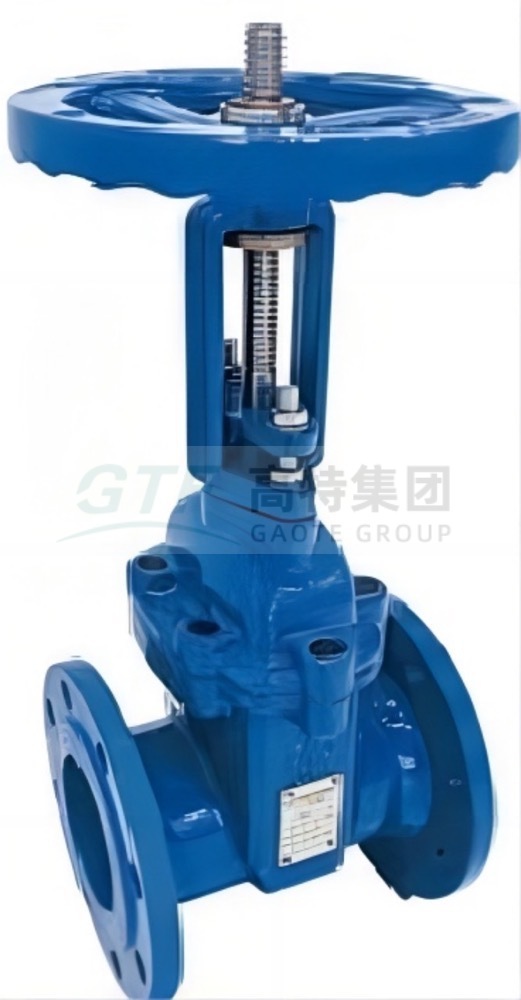
Quality Buried Gate Valves vs. Other Valve Types: A Comprehensive Comparative Study
Table of Contents
1. Introduction to Buried Gate Valves and Other Valve Types
2. Characteristics of Quality Buried Gate Valves
3. Advantages of Using Buried Gate Valves in Industrial Applications
3.1. Cost-Effectiveness and Longevity
3.2. Minimal Maintenance Requirements
4. Comparing Performance: Buried Gate Valves vs. Other Valve Types
4.1. Gate Valves
4.2. Ball Valves
4.3. Butterfly Valves
5. Installation and Maintenance Considerations
6. Understanding Applications for Each Valve Type
6.1. Water Supply and Sewage Systems
6.2. Oil and Gas Industry
7. Environmental Impact and Sustainability
8. Frequently Asked Questions (FAQs)
9. Conclusion: Making the Right Choice for Your Needs
1. Introduction to Buried Gate Valves and Other Valve Types
In the vast landscape of industrial equipment, valves play a pivotal role in controlling fluid flow within various systems. Among these, **buried gate valves** have emerged as a preferred choice for many applications. This article aims to conduct a thorough comparative study of **quality buried gate valves** against other common valve types such as gate valves, ball valves, and butterfly valves. By understanding the unique characteristics and applications of each, we can make informed decisions that align with specific operational needs.
2. Characteristics of Quality Buried Gate Valves
**Quality buried gate valves** are designed to provide robust performance in underground installations. Their characteristics include:
- **Durability**: Constructed from materials that withstand corrosive environments, these valves are designed for long-term use.
- **Minimal Space Requirements**: Their design allows for efficient use of space, particularly in confined areas.
- **Effective Sealing**: Quality buried gate valves feature superior sealing mechanisms, preventing leaks and ensuring reliability.
3. Advantages of Using Buried Gate Valves in Industrial Applications
Choosing buried gate valves offers several distinct advantages:
3.1. Cost-Effectiveness and Longevity
Buried gate valves are often more economical in the long run. Their durability reduces the need for frequent replacements and repairs, resulting in lower lifetime costs.
3.2. Minimal Maintenance Requirements
These valves require less maintenance compared to other types. Their construction minimizes wear and tear, thereby enhancing operational efficiency and reliability.
4. Comparing Performance: Buried Gate Valves vs. Other Valve Types
Understanding how buried gate valves perform in comparison to other valve types is critical for making informed decisions.
4.1. Gate Valves
While traditional gate valves are also used to control flow, they are not always suitable for underground installations due to their bulk and maintenance challenges. Buried gate valves, however, overcome these limitations, making them a preferred option.
4.2. Ball Valves
Ball valves offer quick shut-off capabilities but can be more expensive than buried gate valves. They are ideal for applications requiring rapid flow control but may not provide the same durability in underground environments.
4.3. Butterfly Valves
Butterfly valves are lightweight and easy to install, but they may not offer the same robust sealing as buried gate valves. For applications where flow control under pressure is critical, buried gate valves are often the better choice.
5. Installation and Maintenance Considerations
When it comes to installation and maintenance, buried gate valves provide specific advantages. Their design allows for straightforward installation in underground locations. Additionally, their lower maintenance needs reduce the frequency of service interruptions, translating to increased operational uptime.
6. Understanding Applications for Each Valve Type
Each valve type serves distinct applications that cater to different industrial needs.
6.1. Water Supply and Sewage Systems
In water supply and sewage systems, buried gate valves are often utilized for their reliability and efficiency. Their ability to handle high pressures makes them suitable for municipal water systems, where maintaining flow control is crucial.
6.2. Oil and Gas Industry
In the oil and gas sector, the robustness of buried gate valves allows for safe and effective management of fluid flow under demanding conditions. Their capacity to withstand corrosive substances ensures longevity and reliability in harsh environments.
7. Environmental Impact and Sustainability
Quality buried gate valves contribute to environmental sustainability by minimizing leaks and reducing the need for frequent replacements. Their durability and efficient design encourage responsible resource management, which is increasingly important in modern industrial applications.
8. Frequently Asked Questions (FAQs)
**Q1: What is the main difference between buried gate valves and traditional gate valves?**
A1: Buried gate valves are specifically designed for underground installations, offering better durability and lower maintenance needs compared to traditional gate valves.
**Q2: Are buried gate valves suitable for all types of fluids?**
A2: While they are generally suitable for a wide range of fluids, it’s essential to consider the compatibility of the valve material with the specific fluid being transported.
**Q3: How do I determine the right size of a buried gate valve for my application?**
A3: The right size depends on the flow requirements and the specific application. Consulting with a valve specialist can help ensure the correct choice.
**Q4: What materials are commonly used in buried gate valves?**
A4: Common materials include ductile iron, stainless steel, and various corrosion-resistant alloys, depending on the application requirements.
**Q5: How often should buried gate valves be inspected?**
A5: While one of the advantages of buried gate valves is their low maintenance, regular inspections are recommended to ensure optimal performance and to catch any potential issues early.
9. Conclusion: Making the Right Choice for Your Needs
Choosing the right valve type is crucial for ensuring operational efficiency and reliability in industrial applications. **Quality buried gate valves** stand out due to their durability, minimal maintenance requirements, and cost-effectiveness. Understanding their advantages in comparison to other valve types such as gate valves, ball valves, and butterfly valves allows stakeholders to make informed decisions tailored to their unique needs. By investing in the right valve technology, businesses can enhance their operational reliability, reduce costs, and contribute to sustainable practices in their industries.
Previous:

Contact Us
Email:
Tel/WeChat:
Address:
Chenggong Development Zone, Ximei Street, Nan'an City, Quanzhou City, Fujian Province
Gaote Holding Group Co., Ltd.
Tel: +86-595-8896-8800
Email: gaotegroup@126.com
Address: Chenggong Development Zone, Ximei Street, Nan'an City, Quanzhou City, Fujian Province


Leave a message
* Note: Please be sure to fill in the information accurately and keep the communication open.