Gaote Holding Group focuses on the research and development and production of various valves


-
Products

-
-
-
How to Maintain Quality Buried Gate Valves for Long-lasting Performance
How to Maintain Quality Buried Gate Valves for Long-lasting Performance
Table of Contents
1. Understanding Buried Gate Valves
2. Importance of Regular Maintenance
3. Key Components of Buried Gate Valves
3.1 Valve Body
3.2 Gate
3.3 Bonnet and Stem
4. Maintenance Best Practices for Buried Gate Valves
4.1 Visual Inspection
4.2 Cleaning Procedures
4.3 Lubrication Techniques
5.
2026-07-18
How to Maintain Quality Buried Gate Valves for Long-lasting Performance
Table of Contents
1. Understanding Buried Gate Valves
2. Importance of Regular Maintenance
3. Key Components of Buried Gate Valves
3.1 Valve Body
3.2 Gate
3.3 Bonnet and Stem
4. Maintenance Best Practices for Buried Gate Valves
4.1 Visual Inspection
4.2 Cleaning Procedures
4.3 Lubrication Techniques
5. Troubleshooting Common Issues
5.1 Leaking Gate Valves
5.2 Sticking Mechanisms
5.3 Corrosion Problems
6. Environmental Considerations
7. When to Consult Professionals
8. Conclusion
9. FAQs
1. Understanding Buried Gate Valves
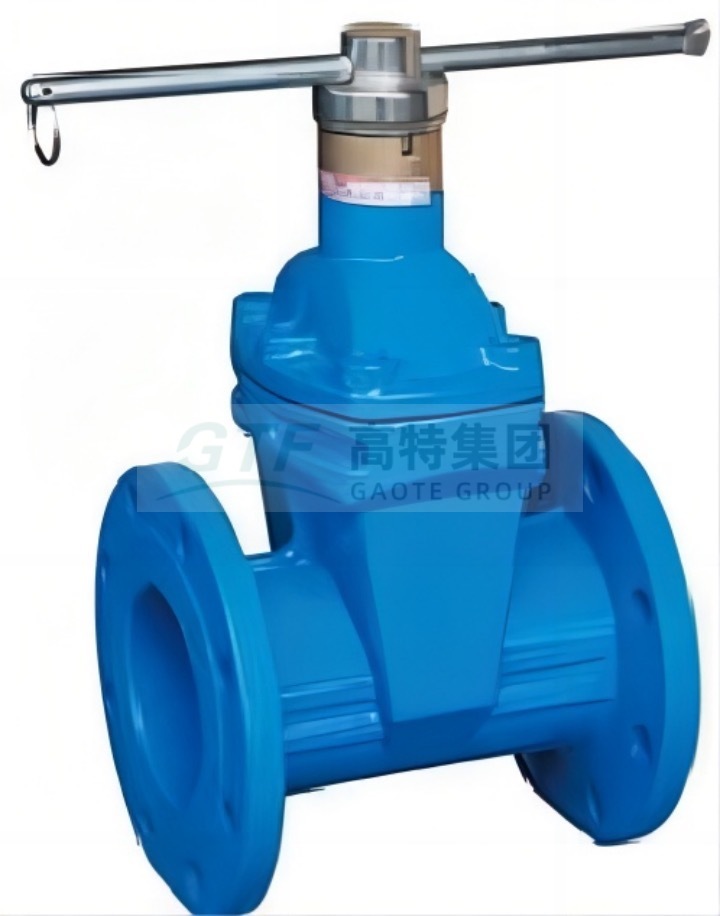
Buried gate valves are essential components in various industrial applications, serving as critical control devices for fluid flow. Typically installed underground, these valves operate by raising or lowering a gate to open or close the flow path. Their robust design ensures durability and reliability, making them ideal for use in water distribution systems, sewage treatment plants, and petrochemical facilities. Understanding how these valves function is the first step toward maintaining quality performance and extending their lifespan.
2. Importance of Regular Maintenance
Regular maintenance of buried gate valves cannot be overstated. The harsh conditions they endure underground, including moisture, soil composition, and potential corrosion, can significantly impact their performance. By implementing a consistent maintenance schedule, owners can prevent costly repairs, ensure operational efficiency, and enhance the overall reliability of their systems. Effective maintenance not only prolongs the life of the valve but also safeguards the infrastructure it supports.
3. Key Components of Buried Gate Valves
To maintain buried gate valves effectively, it's crucial to understand their key components and how each contributes to the valve's overall function.
3.1 Valve Body
The valve body houses the internal components and provides structural integrity. It is typically made from durable materials such as cast iron or ductile iron to withstand pressure and environmental stresses. Regular inspections of the valve body for signs of wear, cracks, or corrosion are necessary to ensure lasting performance.
3.2 Gate
The gate is the moving part that opens and closes the valve. It must create a tight seal when in the closed position to prevent leaks. Maintenance of the gate involves checking for physical damage and ensuring proper alignment for smooth operation.
3.3 Bonnet and Stem
The bonnet houses the actuator mechanism and stem, which connects the gate to the operating mechanism. Proper maintenance of the bonnet and stem is vital to prevent operational failure. Regular lubrication and inspections will help maintain functionality and extend the lifespan of these components.
4. Maintenance Best Practices for Buried Gate Valves
Effective maintenance practices for buried gate valves can significantly enhance their performance and longevity. Implement the following best practices:
4.1 Visual Inspection
Conducting regular visual inspections of buried gate valves is crucial. Inspect for any surface damage, signs of corrosion, or leaks around the valve body. Look for unusual soil movement or erosion that may impact the valve's position. Early detection of issues can prevent more significant problems in the future.
4.2 Cleaning Procedures
Keeping the valve and surrounding area clean is essential to prevent debris buildup, which can affect operation. Use appropriate cleaning agents to remove dirt and grime. If necessary, excavate around the valve for a thorough cleaning, but ensure that the valve remains properly supported during this process.
4.3 Lubrication Techniques
Proper lubrication of moving parts, such as the stem and gate, is vital for smooth operation. Use high-quality lubricants compatible with the materials used in the valve. Follow the manufacturer's recommendations for lubrication frequency, typically once or twice a year.
5. Troubleshooting Common Issues
Despite regular maintenance, buried gate valves may encounter issues. Here are common problems and how to address them:
5.1 Leaking Gate Valves
Leaks around the valve can occur due to wear and tear or improper sealing. Identify the source of the leak and inspect the gasket or packing for damage. Replace these components as necessary and ensure that the valve is properly tightened.
5.2 Sticking Mechanisms
Gate valves can become stuck due to corrosion or debris buildup. If the valve is difficult to operate, perform a thorough cleaning and lubricate the moving parts. If the problem persists, further disassembly may be required to inspect internal components.
5.3 Corrosion Problems
Corrosion can severely impact the performance of buried gate valves. Regularly inspect for corrosion signs and apply protective coatings if necessary. In cases of severe corrosion, replacement of the valve may be the best solution to maintain system integrity.
6. Environmental Considerations
Environmental factors play a significant role in the maintenance of buried gate valves. Factors such as soil composition, moisture levels, and temperature fluctuations can affect the valve's performance. Understanding the local environment allows for tailored maintenance strategies that address specific challenges, such as increased corrosion due to acidic soils or extreme weather conditions.
7. When to Consult Professionals
While regular inspections and maintenance can often be conducted in-house, some situations warrant professional assistance. If you encounter significant leaks, persistent sticking mechanisms, or extensive corrosion, it is advisable to consult with a qualified technician. Their expertise can ensure that repairs or replacements are performed safely and effectively.
8. Conclusion
Maintaining quality buried gate valves is essential for ensuring their long-lasting performance in various industrial applications. By understanding their components, implementing regular maintenance practices, and addressing common issues promptly, operators can enhance the reliability and efficiency of their systems. Adapting maintenance strategies to account for environmental conditions and seeking professional help when needed will further contribute to the overall functionality and longevity of buried gate valves.
9. FAQs
1. How often should buried gate valves be inspected?
Regular inspections should occur at least once a year or more frequently in harsh environments.
2. What are the signs of a failing buried gate valve?
Signs include leaks, difficult operation, unusual noises, and visible corrosion.
3. Can I perform maintenance on buried gate valves myself?
While basic maintenance can be done in-house, complex issues should be handled by professionals.
4. How can I prevent corrosion in buried gate valves?
Apply protective coatings and conduct regular inspections to identify and address corrosion early.
5. What type of lubricant should be used for gate valves?
Use lubricants recommended by the manufacturer that are compatible with the valve materials.
By following these guidelines, you can ensure that your buried gate valves remain in optimal condition, providing dependable service for years to come.
Previous:

Contact Us
Email:
Tel/WeChat:
Address:
Chenggong Development Zone, Ximei Street, Nan'an City, Quanzhou City, Fujian Province
Gaote Holding Group Co., Ltd.
Tel: +86-595-8896-8800
Email: gaotegroup@126.com
Address: Chenggong Development Zone, Ximei Street, Nan'an City, Quanzhou City, Fujian Province


Leave a message
* Note: Please be sure to fill in the information accurately and keep the communication open.