Gaote Holding Group focuses on the research and development and production of various valves


-
Products

-
-
-
How Quality Buried Gate Valves Contribute to Safety in Industrial Settings
Introduction to Buried Gate Valves in Industrial Settings
In the industrial world, safety is non-negotiable. As various processes involve the handling of hazardous materials or high-pressure systems, maintaining the integrity of these systems is paramount. Among the critical components that contribute to safety are **buried gate valves**. These valves serve as essential control mechanisms in pipel
2026-09-10
Introduction to Buried Gate Valves in Industrial Settings
In the industrial world, safety is non-negotiable. As various processes involve the handling of hazardous materials or high-pressure systems, maintaining the integrity of these systems is paramount. Among the critical components that contribute to safety are **buried gate valves**. These valves serve as essential control mechanisms in pipelines, ensuring that fluid flow can be effectively managed. Understanding their functionality, design, and the importance of quality can significantly impact safety in industrial operations.
Understanding Buried Gate Valves
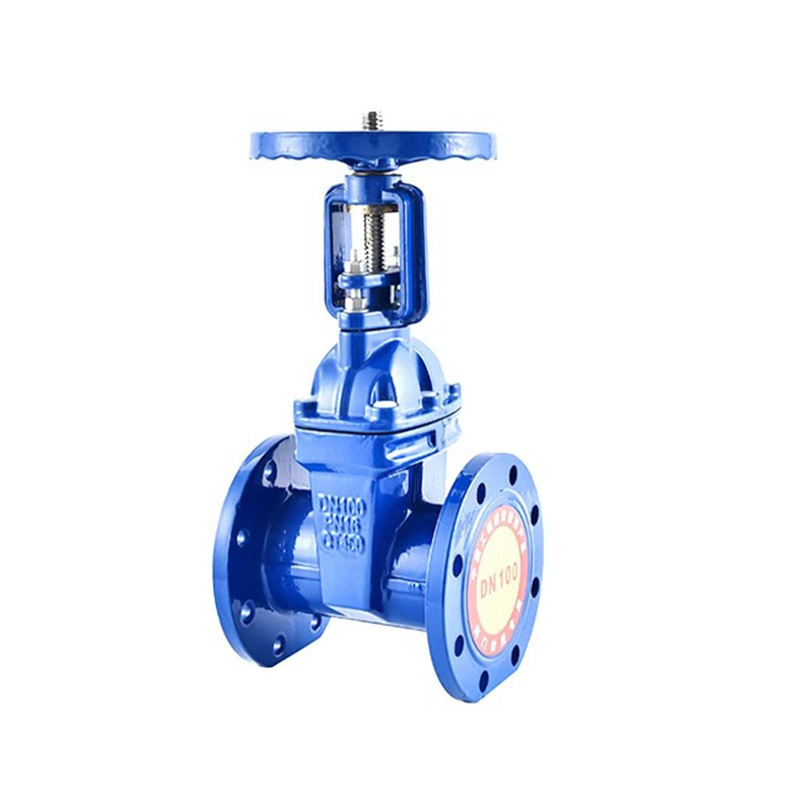
Buried gate valves are designed to control the flow of fluid through a pipeline while being installed underground. Their construction allows them to withstand harsh environmental conditions, making them ideal for various industrial applications. These valves are usually operated manually or with an actuator and are crucial in systems where the prevention of leaks and spills is critical.
The Anatomy of a Buried Gate Valve
The design of a buried gate valve typically includes several key components:
- **Body**: The main part that contains the flow passage.
- **Gate**: A movable part that opens and closes to control fluid flow.
- **Bonnet**: Covers the valve body; it houses the stem and the actuator.
- **Stem**: Connects the gate to the actuator, enabling movement.
Each component must be constructed of high-quality materials to ensure durability and reliability.
Material Considerations for Buried Gate Valves
The materials used in manufacturing buried gate valves are critical for their performance. Common materials include:
- **Cast Iron**: Known for its durability and corrosion resistance.
- **Stainless Steel**: Offers excellent protection against rust and is suitable for various environments.
- **Bronze**: Often used in marine applications due to its resistance to seawater.
Choosing the right material depends on the specific industrial application and the environmental conditions that the valve will face.
Importance of Quality in Buried Gate Valves
Quality holds significant importance in the context of buried gate valves. Investing in high-quality valves can dramatically reduce the risk of failure, which can lead to severe safety hazards, environmental damage, and financial loss.
How Quality Impacts Safety
1. **Leak Prevention**: High-quality buried gate valves are designed to minimize leaks. A well-sealed valve reduces the risk of hazardous substances escaping into the environment, protecting both workers and the surrounding ecosystem.
2. **Operational Reliability**: Quality valves operate more reliably under varying pressures and temperatures. This consistency is crucial in maintaining system integrity and safety.
3. **Longevity and Maintenance**: High-quality valves require less frequent maintenance and have a longer lifespan. This reduces downtime and the associated risks during maintenance activities.
Regulatory Compliance and Quality Standards
Various regulatory standards govern the use of valves in industrial settings, such as the American National Standards Institute (ANSI) and the American Society of Mechanical Engineers (ASME). Complying with these standards ensures that the valves meet certain safety and performance criteria, further enhancing operational safety.
Installation Best Practices for Buried Gate Valves
Proper installation of buried gate valves is as crucial as their quality. Misinstallation can lead to significant issues, including valve failure and safety hazards.
Site Preparation
Before installation, the site must be adequately prepared. This includes:
- **Soil Testing**: Assessing soil conditions can influence the installation method and valve selection.
- **Excavation**: Careful excavation avoids damaging existing utilities and ensures adequate space for valve installation.
Installation Techniques
When installing buried gate valves, consider the following techniques:
- **Aligning the Valve**: Ensure the valve is aligned with the pipeline to prevent undue stress on the valve body.
- **Backfilling**: Use appropriate backfill material to support the valve and prevent settling.
Regular Maintenance and Inspection of Buried Gate Valves
Even the highest quality buried gate valves require regular maintenance and inspection. Establishing a maintenance schedule can help identify potential issues before they become critical.
Inspection Guidelines
- **Visual Inspection**: Regularly inspect the valve for signs of corrosion or damage.
- **Functionality Tests**: Periodically test the valve to ensure it opens and closes properly.
Maintenance Procedures
To extend the lifespan of buried gate valves, routine maintenance should include:
- **Lubrication**: Keeping the stem and moving parts lubricated prevents wear and ensures smooth operation.
- **Cleaning**: Clear any debris that could affect the valve's operation.
Case Studies: Real-World Applications of Buried Gate Valves
To understand the importance of quality buried gate valves, it is beneficial to look at real-world applications.
Case Study 1: Municipal Water Systems
In municipal water systems, buried gate valves control the flow of water to different sectors. High-quality valves have been instrumental in preventing leaks that could lead to significant financial and environmental consequences.
Case Study 2: Industrial Refineries
Refineries rely heavily on buried gate valves to manage the flow of hazardous materials. The implementation of high-quality valves has reduced incidents of spills, ensuring compliance with safety regulations.
FAQs about Buried Gate Valves
1. What are buried gate valves used for?
Buried gate valves are primarily used to control the flow of fluids in pipelines located underground, such as in municipal water supply systems or industrial processes.
2. How do I know if my buried gate valve needs replacement?
Signs such as visible corrosion, leaks, or difficulty in operation usually indicate that a buried gate valve may need to be replaced.
3. What is the average lifespan of a buried gate valve?
The lifespan of a buried gate valve can vary widely based on material quality and operating conditions, but they generally last between 10 to 50 years.
4. How often should buried gate valves be inspected?
It is recommended to inspect buried gate valves at least once a year, with more frequent checks in critical applications.
5. Can buried gate valves be repaired?
In many cases, buried gate valves can be repaired depending on the extent of the damage. However, replacement is often more cost-effective for severely damaged valves.
Conclusion
In conclusion, quality buried gate valves are indispensable components in ensuring the safety of industrial settings. Their ability to effectively control fluid flow while maintaining structural integrity is vital in preventing leaks and ensuring compliance with safety regulations. By investing in high-quality valves and adhering to proper installation and maintenance practices, industries can significantly enhance their operational safety and reliability. The future of industrial safety depends on these essential valves, making their quality a priority for all operations.
Previous:


Contact Us
Email:
Tel/WeChat:
Address:
Chenggong Development Zone, Ximei Street, Nan'an City, Quanzhou City, Fujian Province
Gaote Holding Group Co., Ltd.
Tel: +86-595-8896-8800
Email: gaotegroup@126.com
Address: Chenggong Development Zone, Ximei Street, Nan'an City, Quanzhou City, Fujian Province


Leave a message
* Note: Please be sure to fill in the information accurately and keep the communication open.